Rockingham County is a place of incredible diversity. From the rolling farmland in the west to the dense suburban neighborhoods of Harrisonburg and the expansive commercial properties lining our major corridors, no two landscapes look exactly the same. But whether you manage a wooded acreage or a single mature oak in your front yard, every property owner here shares a common need: healthy, safe trees.
An arborist is a professional in the practice of arboriculture, which involves the cultivation, management, and study of individual trees, shrubs, and other perennial woody plants. Arborists are trained to care for trees and other woody plants, providing expertise that is helpful for maintaining the health and safety of your landscape. It can be helpful for property owners to have some basic knowledge about certification, experience, training, and expertise when choosing an arborist to ensure they are making an informed decision.
As a locally owned tree care company rooted in the Shenandoah Valley, I see this diversity every day. My team and I understand that caring for trees here isn’t just about cutting limbs; it’s about stewardship. We believe in caring for trees the way a surgeon cares for patients—with precision, respect, and a long-term focus on health.
I believe trust starts with honesty. While Blue Mountain Arbor is not an ISA-certified company, we are proud members of the International Society of Arboriculture (ISA) and the Tree Care Industry Association (TCIA). Individual members of our team hold ISA Certified Arborist and TCIA credentials. ISA certification applies to individuals and reflects verified knowledge, continuing education, and adherence to recognized industry safety standards.
In this post, I’ll walk you through the unique tree care needs across Rockingham County, how our approach adapts to different properties, and why professional oversight matters for long-term tree health.
Tree Care Needs Across Rockingham County
The terrain and layout of Rockingham County shape how trees grow, and that directly affects how they should be cared for. Tree care isn’t one-size-fits-all. It takes an understanding of local conditions, species, and risk factors to keep trees healthy and safe over time.
Varied Terrain, Varied Challenges
In the open, rural parts of the county, trees often face significant wind exposure. Without the buffer of a forest canopy or nearby buildings, solitary trees on agricultural land develop differently. They often have broader canopies that catch the wind, making structural pruning essential to prevent limb failure during storms.
Conversely, in our denser suburban neighborhoods, nearby trees often compete for sunlight and root space. Here, the challenge is often managing growth to ensure trees don't encroach on homes or utility lines while maintaining their health. Urban forestry principles come into play here, focusing on how trees interact with the built environment.
Seasonal Stress in the Valley
Our seasons in the Valley are beautiful, but they can be tough on healthy trees. We often see heavy spring growth followed by intense summer storms. If a tree hasn't been properly pruned, that new growth can act like a sail, leading to broken branches.
Fall brings its own set of tasks. As leaves drop, structural weaknesses that were hidden by foliage become visible. This is often the best time for us to identify cracks or splits. And of course, winter brings ice and snow loading. A community that invests in preventative care sees far fewer emergency situations when winter weather hits.
Protecting Homes and Public Spaces
Perhaps the most critical aspect of our work is safety. We frequently assess trees growing near houses, barns, and driveways. Limbs overhanging sidewalks or parking lots pose a liability risk for business owners. Furthermore, power lines and requirements from your insurance company often dictate when and how trees must be trimmed. The solution isn’t guesswork. It’s a professional evaluation that balances safety with what the tree needs to stay healthy.

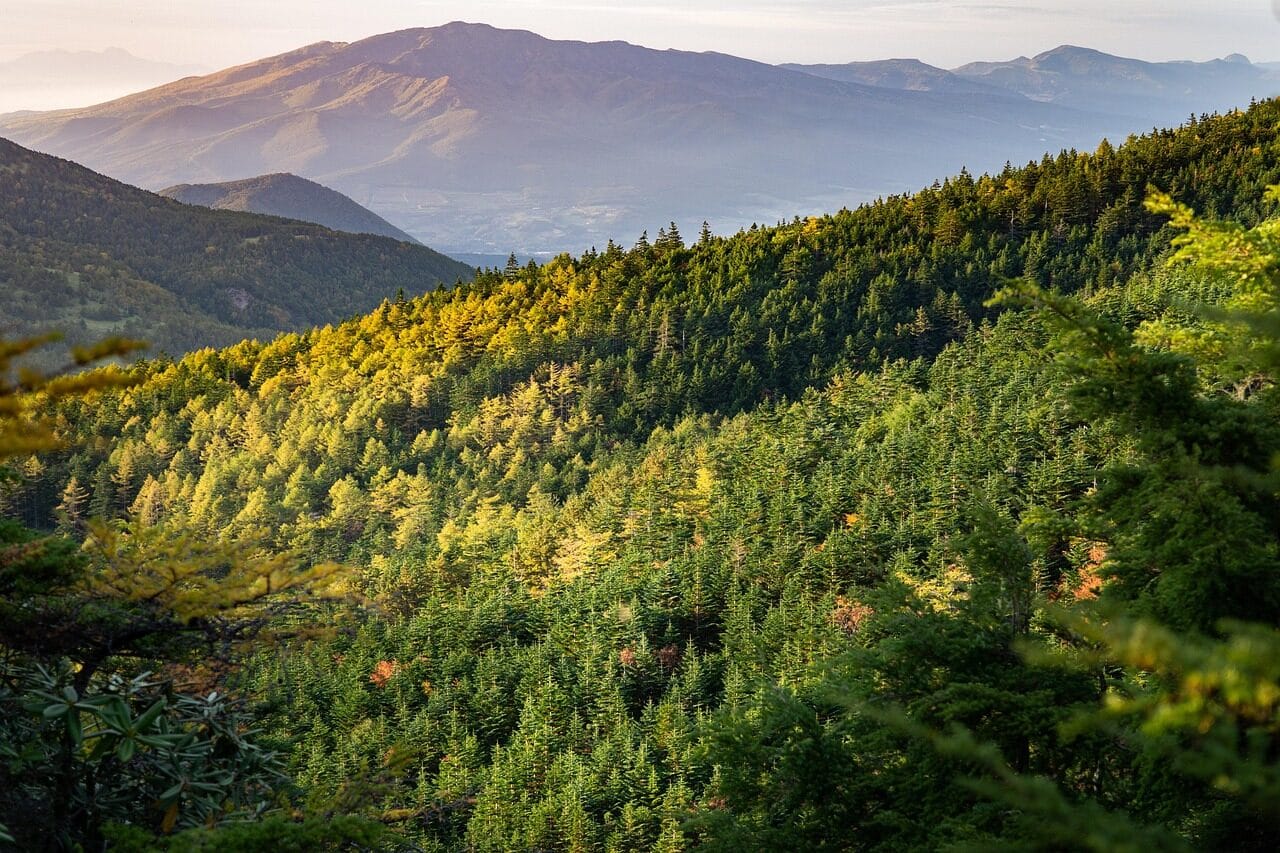
Photo by Filip Zrnzević on Unsplash
How Arborists Adapt to Different Properties
When our team steps onto a property, we look at the full picture. We evaluate limb structure and attachment points, scan for signs of disease or insect activity, and assess risk around homes, barns, driveways, and walkways.
We also look below the canopy. Soil conditions, root health, and site history often explain what’s happening above ground. That’s where training and experience matter most: knowing what to look for before making a recommendation.
Adapting to Rural vs. Suburban Properties
Our approach changes based on the site. On large rural properties, we might utilize larger equipment to manage heavy removals or clear storm debris efficiently. However, in tight residential spaces, we rely on precision rigging. This allows us to lower heavy logs safely without damaging your lawn or landscaping.
Equipment mastery is crucial in arboriculture, requiring proficiency with specialized tools such as chainsaws, wood chippers, aerial lifts, and rigging systems for controlled branch lowering. Climbing is also a fundamental skill for arborists, especially in tight residential spaces where machinery access is limited, and some arborists specialize in climbing techniques to perform maintenance, pruning, or removal safely and effectively.
For our commercial clients and HOAs, we often develop management plans. These aren’t just one-off visits; they are long-term strategies to ensure the canopy remains safe and attractive year after year. Not all professional arborists approach tree work with this level of planning, but we believe it is essential for protecting your investment.
County-Wide Tree Services Offered
At Blue Mountain Arbor, we offer a full range of services designed to protect your property and manage your landscape's health.
Pruning for Structure and Safety
Pruning is more than aesthetics. Purposeful pruning removes dead or weak growth, improves structure, and reduces storm risk. When we balance the canopy and improve airflow, we also reduce stress that can contribute to disease and breakage. Whether it’s a mature oak or ornamental shrubs, proper cuts matter.
Tree Removal When Necessary
We operate with a health-first philosophy. Tree removal is always a last resort. However, when a tree is dead, severely diseased, or structurally unsound, removal becomes necessary for safety. We handle these projects with extreme care, using controlled methods to prevent property damage.
Health Assessments and Disease Management
Identification is half the battle. We help clients determine if their trees are suffering from pest problems or disease. From there, we can create a plan. Sometimes, the solution is simple soil support; other times, it may require more intervention. Early detection can often save valuable trees that would otherwise need to be removed.
Stump Grinding and Cleanup
Once a tree is gone, the job isn't finished until the stump is handled. Stump grinding eliminates trip hazards and pests, preparing the area for replanting or lawn restoration. We practice eco-conscious debris handling, ensuring that wood and brush are processed responsibly.
Scheduling Regional Tree Care
If you’re looking for a tree care partner in Rockingham County, timing and trust matter.
When to Schedule an Assessment
Don't wait for a storm to call. The best time to schedule an assessment is actually late winter or early spring. Without leaves, we can see the tree's structure clearly. It’s also wise to call before any major construction projects begin, so we can help you create a tree preservation plan.
Hiring the Right Arborist in Rockingham County
I always recommend that homeowners get two or more estimates. This helps you gauge the market and understand the scope of work different companies are proposing. When you review these estimates, look for details.
Does the contractor carry proper insurance? Do they have qualified arborist staff? A knowledgeable professional will take the time to explain why they are recommending a specific service. They should communicate clearly and offer a schedule you can rely on.
What Sets Us Apart Across the County
We are proud of our local roots. We know the Valley soil and the species that grow here. We combine local knowledge with safety-focused practices and professional standards that keep your property protected. From our quick response times during storms to our clean, professional job sites, we aim to be the partner you trust for the life of your trees.
How to Learn What a Professional Arborist Really Is
The word “arborist” sounds official. But unless you’ve taken the time to look into it, it can be hard to know what it actually means.
Not everyone who trims trees practices professional arboriculture. And not every tree care company operates by the same standards. If you want to understand the difference, the best place to start is with the organizations that define those standards.
When homeowners ask me where they can learn more, I point them toward resources that are rooted in research, safety, and long-term tree health.
Here are a few worth exploring.
International Society of Arboriculture
The International Society of Arboriculture sets the global standard for arboriculture education and certification.
They define what knowledge is required to earn professional credentials and what continuing education looks like in this field. Their consumer site, TreesAreGood.org, explains what arborists are trained to evaluate, how certification works, and how homeowners can verify credentials.
If you want a straightforward explanation of what professional tree care should look like, this is the reference point.
Tree Care Industry Association
The Tree Care Industry Association focuses on safety, operational standards, and responsible business practices.
Tree work involves real risk. Between climbing systems, heavy equipment, and proximity to structures or power lines, safety systems matter. TCIA outlines best practices that protect both crews and property owners, helping ensure that work is done properly and professionally.
Virginia Department of Forestry
For homeowners in Rockingham County and across the Shenandoah Valley, the Virginia Department of Forestry offers region-specific insight.
They provide information on local tree species, pest pressures, invasive threats, and environmental factors that impact tree health in our area. Because our seasons can be intense, understanding local conditions is key.
U.S. Forest Service
The U.S. Forest Service conducts national research on forestry and urban tree management.
Their work helps explain how trees contribute to air quality, cooling, stormwater management, and overall community health. It also reinforces why proper pruning and long-term management matter far beyond appearance.
University Extension Programs
University extension programs, including Virginia Tech Extension, publish practical guidance based on ongoing scientific research.
They cover topics like soil health, planting depth, structural pruning, and disease identification. These resources are especially helpful for homeowners who want evidence-based information without industry jargon.
Why Taking the Time to Research Matters
When you understand what arboriculture truly involves, you protect your investment.
Professional tree care is about evaluating structure, identifying risk before failure occurs, managing pests and disease, and preserving healthy trees whenever possible. It requires knowledge, technical skill, and a commitment to long-term management.
The more you understand, the easier it becomes to recognize quality work and avoid costly mistakes.
And if you ever want to talk through what those professional standards mean for your property specifically, we’re always here to help.

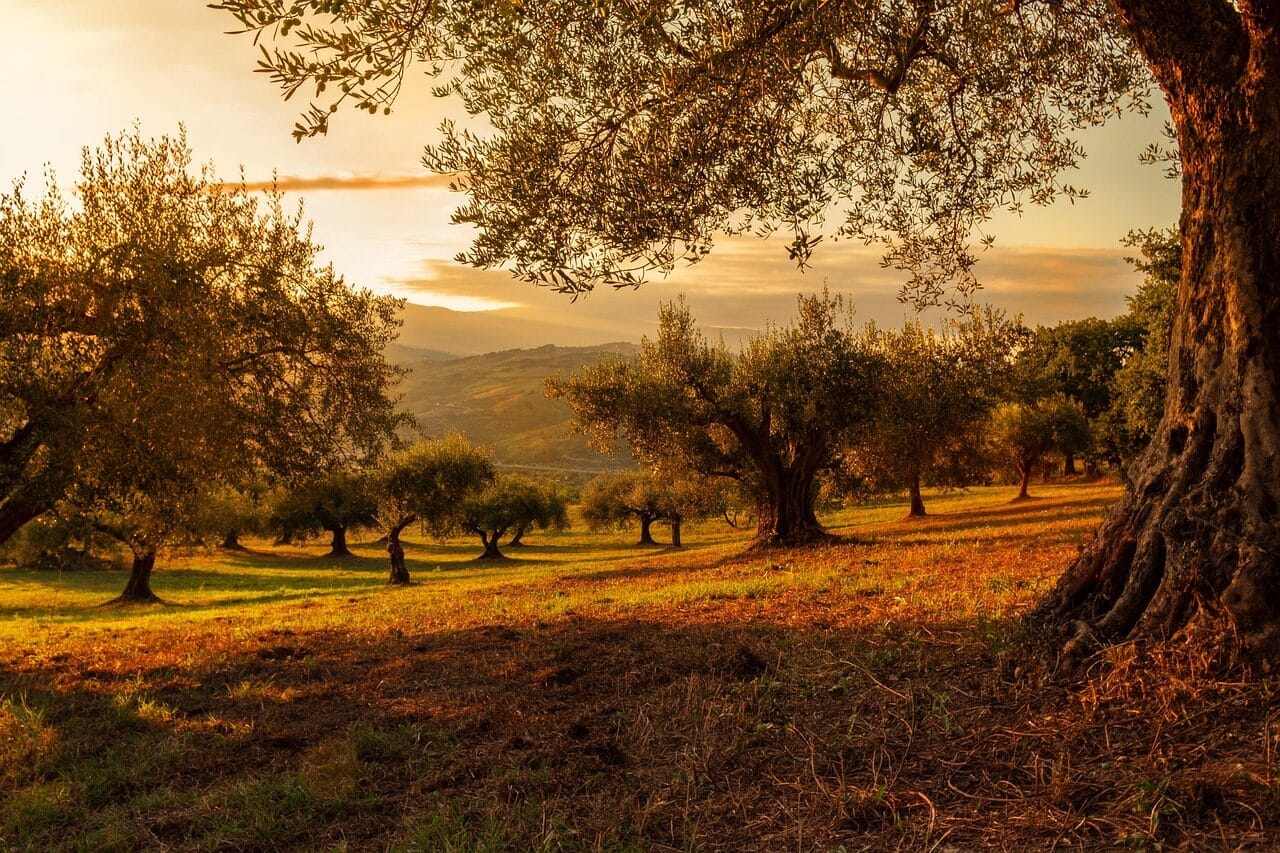
Photo by Simone Dalmeri on Unsplash
Valley Tree Care You Can Trust
I approach every job with precision and respect. My goal is to protect your trees, your property, and your peace of mind. Whether you are managing a historic farm in the county or a modern office park in the city, the need for professional, honest tree care remains the same.
Your trees are a living investment. Don't leave them to chance. If you have concerns about the health or safety of your trees, or if you simply want to plan for their future, I invite you to reach out.
Contact us through our website to schedule an assessment. Let’s work together to keep Rockingham County’s landscapes safe, healthy, and thriving for years to come.