
If you’re searching for a knowledgeable arborist in Page County, understanding local terrain and risk factors matters.
As a locally owned tree care company serving Page County, I’ve had the privilege of working on properties with some of the most beautiful views in the Shenandoah Valley
From wooded lots overlooking the mountains to open farmland and hillside homes, our landscape is unique. But that beauty comes with real responsibility. Elevation changes, sloped terrain, and strong valley winds create conditions that can stress trees, nearby trees, shrubs, and other woody plants in ways many homeowners don’t realize.
The concerns I hear most often are simple and valid:
- Will that limb fall in the next storm?
- Is that tree too close to the house?
- Are nearby trees creating risk for my family?
- If I need tree removal, how do I know I’m hiring the right contractor?
These questions touch on a valuable aspect of property ownership: protecting the life of your trees while protecting your home and family. Not all arborists approach that responsibility the same way. A good arborist brings technical competence, training, and practical knowledge to every assessment. Professional arborists look beyond what’s obvious. We evaluate structure, pest problems, soil conditions, and the overall health of your woody plants before recommending pruning, transplanting, or removal.
Blue Mountain Arbor is a locally owned company and a proud member of the International Society of Arboriculture (ISA) and the Tree Care Industry Association (TCIA). While we are not an ISA-certified company, individual members of our team hold ISA Certified Arborist and TCIA credentials. ISA certification applies to individuals and reflects documented experience, formal testing, and continuing education in arboriculture. That means when a knowledgeable person from our team walks your property, the work is guided by nationally recognized standards and a commitment to safety.
Our philosophy is simple: health-first and safety-first. In a region where urban forestry principles meet rural landscapes, tree care is more than trimming branches. It’s about long-term management of trees and shrubs so they remain strong for years to come. In this post, I’ll walk you through the safety risks we commonly see in Page County, the warning signs that shouldn’t be ignored, and how proactive planning can reduce emergency calls, insurance company claims, and unnecessary stress.
If you’re researching tree work, I always recommend getting two or more estimates and asking questions. Compare recommendations, not just pricing. Make sure the tree workers you hire are insured, experienced, and willing to explain their approach clearly. If you ever need clarification, you can always contact us through our website. We’re happy to provide helpful information so you can make the best decision for your property.
Why Tree Safety Matters in Page County
Our terrain shapes how trees grow — and how they fail.
Open ridgelines and hillside properties allow wind to move through the valley with significant force. Trees growing on slopes often develop uneven root support. Heavy spring rain can loosen saturated soil. Winter ice loads limbs beyond their limits.
In Page County, tree care is not cosmetic. It’s structural risk management.
When trees are near homes, barns, driveways, or power lines, small weaknesses can quickly become expensive problems. Early evaluation is far less costly than emergency removal after a storm.

Hazardous Tree Conditions Arborists Look For
Even experienced property owners can miss subtle warning signs. During assessments, we evaluate:
Structural Concerns
- Cracked or hanging limbs
- Splitting trunks
- Deadwood high in the canopy
- Sudden leaning, especially on slopes
Signs of Stress or Decline
- Fungal growth at the base
- Hollow or decaying sections
- Thinning canopy
- Bark separation or insect activity
Early detection allows us to determine whether stability can be restored through proper care or whether removal is the safest course of action.
How Professional Tree Care Reduces Risk
Risk reduction rarely starts with removal.
Preventative Pruning
Strategic pruning improves canopy balance and reduces wind resistance. Every cut has purpose. We remove weak, dead, or overextended branches while preserving as much healthy structure as possible. Done correctly, pruning strengthens the tree and reduces the chance of failure.
Strategic Removal When Necessary
When a tree is dead, structurally compromised, or poses unavoidable risk, removal becomes the safest solution. On sloped properties especially, removal requires precision rigging and controlled lowering techniques to prevent damage.
We treat removal as a last resort, not a first response.
Storm Response
After major weather events, rapid assessment prevents secondary damage. Addressing partially broken limbs or unstable trees quickly reduces long-term risk.
Planning Preventative Tree Care
The most effective risk management plan is proactive.
I recommend:
- Annual inspections for mature trees
- Post-storm evaluations
- Seasonal pruning schedules
- Long-term planning for aging trees near slopes
Planning allows you to manage costs and avoid reactive emergencies.
When hiring a tree care company, ask about training, insurance coverage, and safety practices.
Safer Trees, Stronger Properties
Every Page County property is different. But the goal is always the same: protect the structure, preserve healthy trees, and reduce risk before problems escalate.
We approach each job with precision and respect for your land. If you have concerns about tree stability, storm risk, or long-term management, we’re happy to schedule an assessment.
Strong trees don’t happen by accident. They’re the result of thoughtful care.
Where Homeowners Can Learn About Professional Arboriculture
If you’ve ever searched for tree care services, you’ve probably noticed how many companies use the word “arborist.” But what does that actually mean?
Understanding the difference between basic tree cutting and professional arboriculture can help you protect your property, your trees, and your budget. The good news is, there are respected organizations that clearly define what professional standards look like in this field.
If you want trustworthy information, these are the resources I recommend.
International Society of Arboriculture
The International Society of Arboriculture sets the benchmark for arboriculture education and certification worldwide.
They outline what knowledge is required to earn professional credentials and what continuing education involves. Their public education site, TreesAreGood.org, explains what arborists are trained to assess, what certification verifies, and how to evaluate a tree care company responsibly.
If you’re trying to understand the science behind pruning, structural assessment, and risk management, this is a strong place to start.
Tree Care Industry Association
The Tree Care Industry Association focuses on safety standards and professional operations within the tree care industry.
Tree work isn’t just physically demanding. It also involves technical systems like climbing ropes, rigging equipment, and heavy machinery. TCIA helps establish guidelines that reduce risk and promote responsible practices.
For homeowners, this resource reinforces why proper training and insurance matter just as much as experience.
Virginia Department of Forestry
Because we live and work in the Shenandoah Valley, local information matters.
The Virginia Department of Forestry provides insight into regional species, common pests, invasive plants, and environmental factors that affect trees in Page County. Their guidance helps explain why certain maintenance strategies are necessary in our specific climate.
U.S. Forest Service
The U.S. Forest Service conducts national research on forest health and urban tree management.
Their work highlights how trees support air quality, reduce heat, and manage stormwater. While their research is broad in scope, it reinforces why proper tree management at the residential level contributes to overall community resilience.
University Extension Programs
University extension programs, including Virginia Tech Extension, publish research-based guidance on planting techniques, pruning standards, soil conditions, and disease prevention.
These programs take academic research and turn it into practical information that homeowners can apply to their own landscapes.

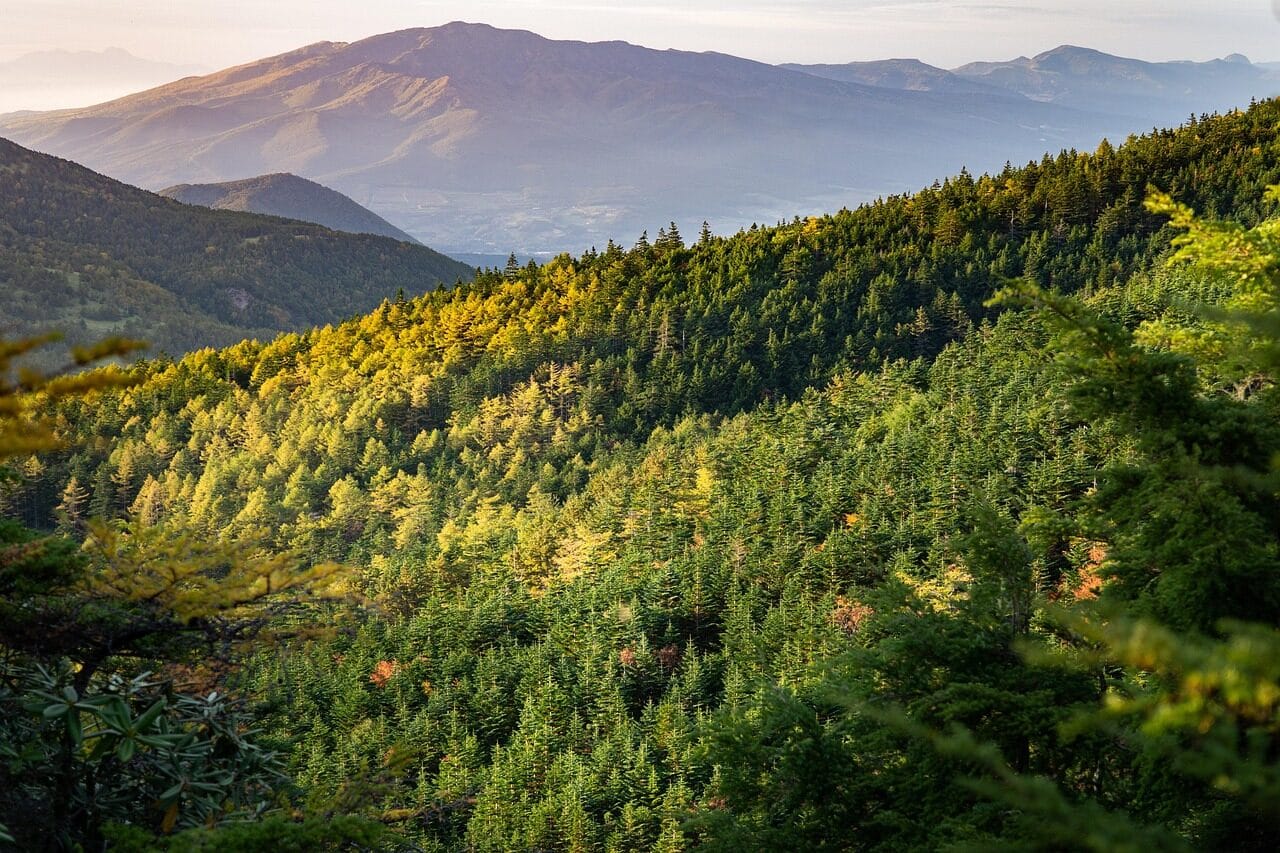
Photo by Michael Heuser on Unsplash
Why This Knowledge Gives You an Advantage
When you understand what professional arboriculture involves, you’re less likely to fall for quick fixes or poor practices.
Professional tree care includes evaluating structural integrity, identifying early signs of pests or disease, managing risks near homes and power lines, and preserving healthy trees whenever possible. It’s about long-term management, not just short-term removal.
An informed homeowner makes stronger decisions.