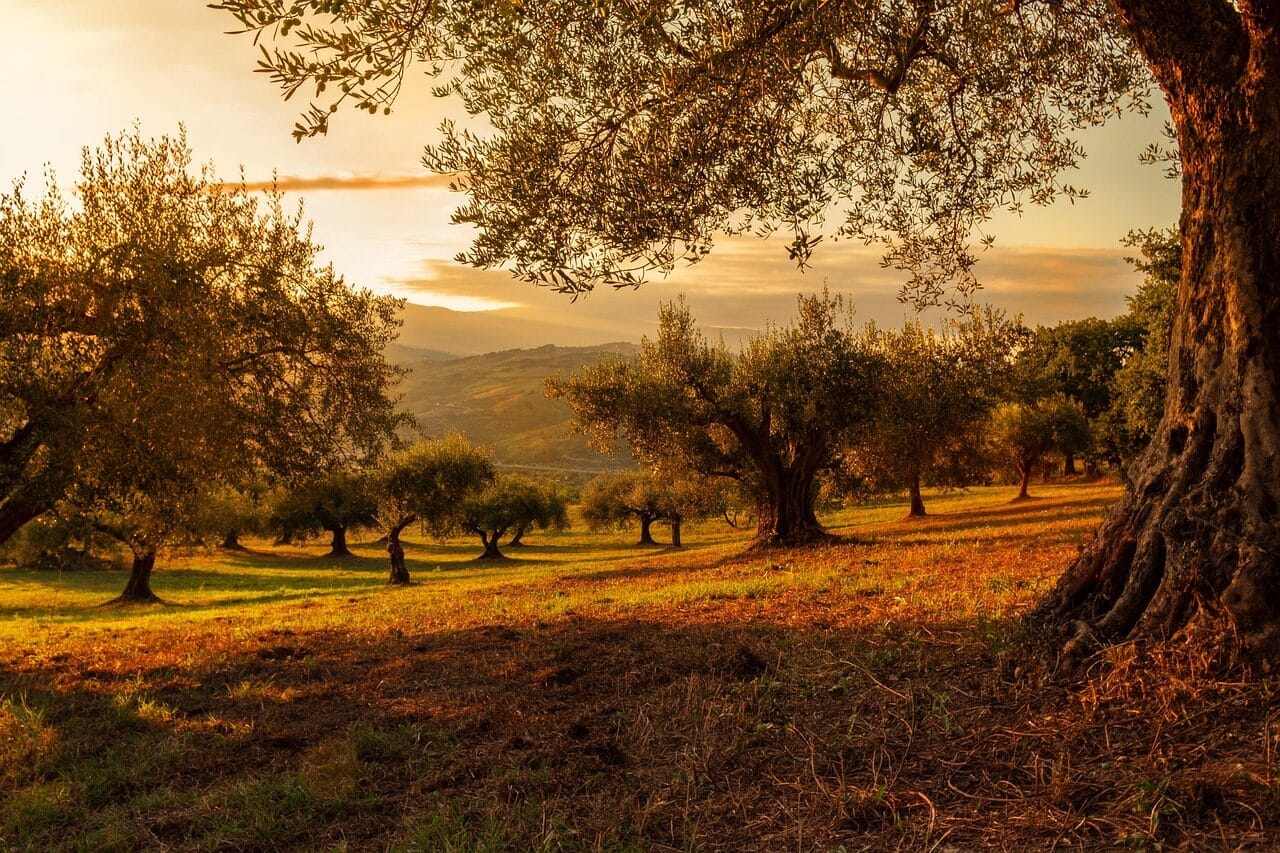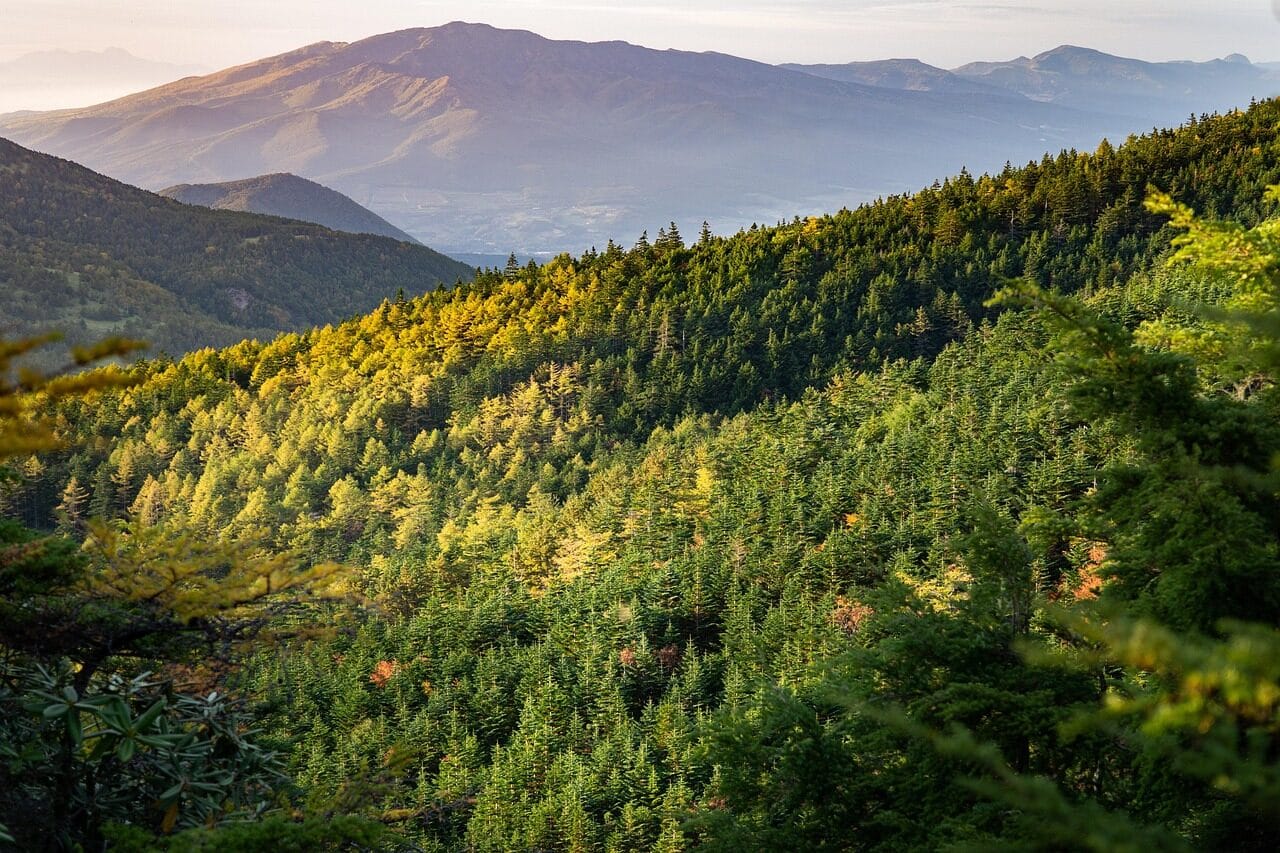

Walking through Augusta County is a unique experience. One day, I might be in Fishersville, admiring the well-kept yards in a quiet neighborhood. Next, I’m on the outskirts of Waynesboro or Staunton, looking at historic homes with mature, sprawling trees that tell a story. Then there’s the open farmland, where strong, healthy trees protect property and livestock
Our region is a mix of urban neighborhoods, commercial properties, sprawling HOAs, and vast rural land. Each one has different needs, but they all share one thing: the importance of healthy trees.
There are many aspects of arboriculture to consider, including certification, legal requirements, and best practices. Not all arborists approach tree care the same way. Some see a problem and immediately reach for a chainsaw. My approach is different. I believe trust starts with honesty, and that’s the foundation of our locally owned tree care company.
We are proud members of the International Society of Arboriculture (ISA) and the Tree Care Industry Association (TCIA). Membership in professional organizations like these demonstrates a commitment to ongoing education and best practices, but it does not guarantee the quality of work. Our team includes TCIA-certified staff, which means our work is guided by the industry’s highest standards for safety and ethics. While our company is still working toward full ISA certification, we are committed to upholding these principles on every job.
Certification as an arborist typically requires passing a rigorous written test and having documented experience in tree care. In the US, a Certified Arborist must have over three years of documented experience and pass a written test from the ISA.
Certified arborists are often required to participate in continuing education to maintain their certification and stay updated on best practices. Becoming certified can open up various professional opportunities in tree care, consulting, and management. Many cities require arborists to be licensed to perform tree work within city limits, and licensing is a legal requirement that is separate from certification.
A professional arborist who applies a pesticide to a tree for hire needs to be licensed by the state. Consulting arborists are specially trained and experienced in the assessment and diagnosis of tree and shrub issues caused by insects and diseases. The ISA website is also a valuable resource for information on tree care and for finding certified arborists.
Tree Care Across Augusta County
Managing the diverse landscapes of Augusta County requires a flexible and knowledgeable approach. The principles of urban forestry that apply to a neighborhood in Staunton are different from the needs of a farm with hundreds of acres. Before starting any tree work, we take the time to assess the surrounding environment and nearby trees to understand the complete picture.
Professional tree care not only supports the health of your trees but also delivers significant environmental benefits by supporting local ecosystems, promoting sustainability, and contributing to the overall well-being of the community.
Our health-first philosophy means we see tree care as the long-term management of living organisms, not just a one-time fix. This is especially important in the Shenandoah Valley, where specific pest problems and weather patterns can affect tree life.
Proper pruning, for instance, isn’t just about looks; it’s a critical step in protecting a tree from storm damage and encouraging strong, healthy growth for years to come. Hiring a certified arborist is also cost-effective, as professional care can prevent costly damage and unnecessary removals, ultimately saving you money over time.
Our local expertise allows us to provide year-round service that meets the specific challenges of each season. From proactive winter pruning when trees are dormant to rapid storm response in the summer, we are always ready to help.
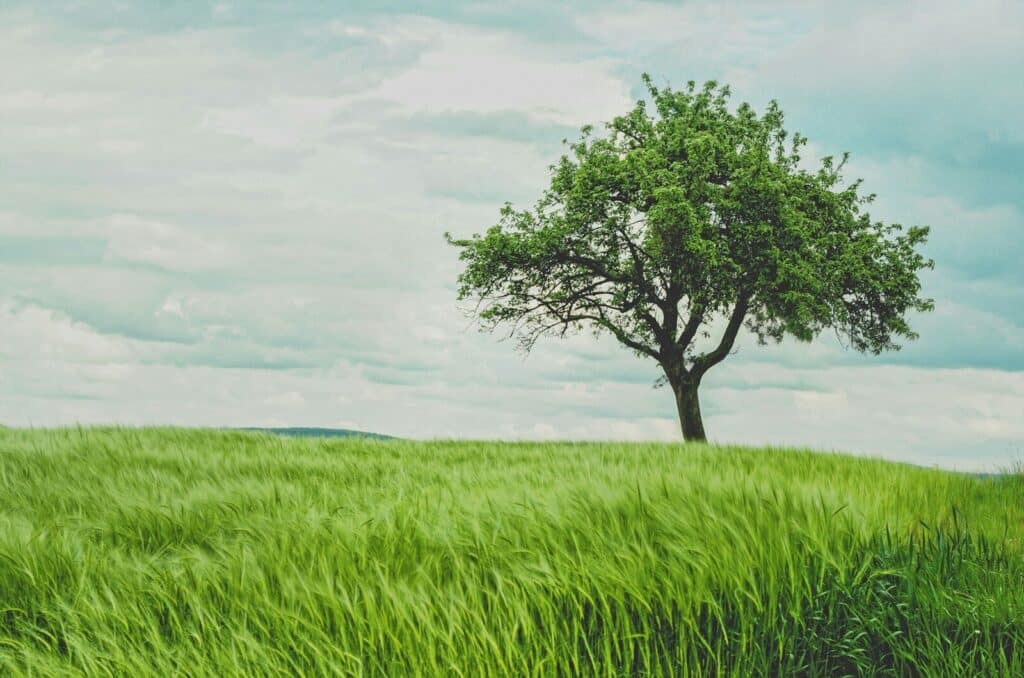
Photo by Johann Siemens on Unsplash
Qualifications and Professional Standards
I’ve worked in tree care long enough to know this: when it comes to choosing an arborist, credentials and experience matter.
One credential homeowners often look for is the ISA Certified Arborist designation from the International Society of Arboriculture. This certification requires documented experience, passing a comprehensive written exam, and maintaining continuing education.
Certification verifies a baseline of technical knowledge in tree biology, pruning techniques, risk assessment, and safe work practices.
At Blue Mountain Arbor, we are proud ISA members and have TCIA-certified staff on our team. While our company is still working toward full ISA certification, our work is guided by the same professional standards, safety practices, and continuing education principles that define the certification process.
Urban Forestry Management
Urban forestry management requires knowledge, planning, and long-term thinking. Whether you’re a homeowner or managing commercial property, tree care decisions impact safety, property value, and the surrounding community.
When hiring a tree care company, I always recommend verifying credentials, insurance, and experience. Ask about ISA membership. Ask about training. Ask how they approach long-term management instead of quick removal.
And always get two or more estimates. It’s not just about price — it’s about understanding the recommendations and the reasoning behind them.
Arborist Services for Different Property Types
As professional arborists, we understand that a qualified arborist must evaluate every aspect of a tree’s health and environment before making a recommendation. Arborists can specialize in various disciplines, such as diagnosis and treatment of tree diseases, climbing and pruning, and consultation.
While a general tree worker may perform basic tree care tasks, a professional arborist has the proper training and expertise to ensure safety, quality, and effective management of tree health. We tailor our services, from managing shrubs and other woody plants to complex removals, to meet the unique needs of each property owner.
Residential Properties
For homeowners, the goal is often protecting your house, family, and property. We carefully prune branches that hang over roofs or near power lines and only suggest tree removal when a tree is a genuine hazard. Proper pruning should always be done with a specific purpose in mind, as every cut is a wound and every leaf lost is a removal of photosynthesis potential.
When pruning, it is important to leave an appropriate amount of 'rest' or remaining live tissue to promote healthy growth and reduce decay. After a storm, we can work with you to address damage and provide documentation that may be helpful for your insurance company.
HOAs & Property Managers
Consistency and reliability are key for HOAs. We provide scheduled inspections, long-term maintenance plans, and risk assessments to keep community spaces safe and beautiful. We believe in clear communication, so you always know what to expect.
Commercial & Municipal Clients
Safety compliance and technical competence are non-negotiable for our commercial clients. We have the equipment and expertise to handle large-scale tree removal and pruning projects efficiently and safely, minimizing disruption to your business or public space.
Rural & Agricultural Properties
For rural landowners, our work often involves large-scale storm cleanup, managing tree lines, and even transplanting trees to protect open land or fencing. We understand the unique challenges of working on large properties.
Why Professional Tree Care Matters
Not all arborists are created equal. You might find many people who can cut down a tree, but a professional arborist offers a much higher level of knowledge and care. It’s important to know the difference between general tree workers and professional arborists who have dedicated themselves to the science of tree care.
While we have ISA Certified staff on our team and our company is an ISA member, we encourage homeowners to do their homework. When hiring for tree work, always get two or more estimates and ask important questions:
- What is your training, and what are your certifications?
- Can you provide proof of insurance?
- What are your safety standards?
- How do you handle cleanup?
A good arborist will prioritize the long-term health of your trees and demonstrate technical competence. True tree care is about proper care, not just quick cuts.
Long-Term Tree Management
Your trees are valuable assets that add beauty and value to your property. Long-term management is the best way to protect that investment. Through a regular inspection schedule, we can identify disease and pests early, before they cause irreversible damage. Preventative pruning helps manage limbs and branches, so they don’t become hazards later.
I recently worked on a property in Augusta County where the owner was convinced a beautiful, mature oak had to come down. It had several large, dead limbs and looked unbalanced. Instead of starting with a tree removal estimate, we performed a full health assessment. We determined that with corrective pruning, we could restore its structure and health. Today, that tree is thriving. It’s a perfect example of how our health-first philosophy can save a valuable tree and give a homeowner peace of mind.
This is what we do. We offer solutions that protect your trees for the future, and we handle all debris with eco-conscious practices, often recommending new plants to help maintain the local canopy.
How to Better Understand the Role of an Arborist
If you’re hiring someone to work on your trees, it’s worth understanding what an arborist actually is.
Tree care isn’t just about cutting branches or removing trees. It’s a field built on biology, risk assessment, structural evaluation, and long-term management. But unless you work in the industry, it can be hard to separate marketing language from real professional standards.
When homeowners want to learn more, I always recommend starting with organizations that focus on research, education, and safety — not sales.
Here are a few that provide reliable, science-based information.
International Society of Arboriculture
The International Society of Arboriculture sets professional standards for arboriculture worldwide.
They oversee certification programs, publish industry research, and promote continuing education for tree care professionals. Their consumer site, TreesAreGood.org, explains what certification involves and how homeowners can evaluate a tree care company responsibly.
If you want to understand the difference between general tree trimming and professional arboriculture, this resource lays the foundation.
Tree Care Industry Association
The Tree Care Industry Association focuses on safety, ethics, and operational standards in tree care.
Tree work involves climbing systems, rigging, chainsaws, and heavy equipment. TCIA outlines the systems and training required to perform that work safely. Their resources help homeowners understand why professional standards matter — especially when work is happening near homes, driveways, and power lines.
Virginia Department of Forestry
For information specific to Waynesboro and the Shenandoah Valley, the Virginia Department of Forestry provides guidance on local species, pest concerns, and seasonal stress factors.
Because our climate brings strong storms, heavy growth cycles, and winter ice, regional insight is essential for understanding how trees respond to environmental pressure here at home.
U.S. Forest Service
The U.S. Forest Service conducts national research on forest management and urban tree systems.
Their studies highlight how trees improve air quality, reduce heat, and support long-term environmental health. It’s a helpful reminder that proper tree care benefits not only individual properties but entire communities.
University Extension Programs
University extension programs, including Virginia Tech Extension, offer research-backed guidance on planting depth, structural pruning, soil management, and disease prevention.
These programs take academic research and translate it into practical recommendations that homeowners can actually use.
Why Doing a Little Research Pays Off
When you understand what arboriculture truly involves, you’re in a stronger position to protect your property.
Professional tree care includes evaluating structure, identifying early warning signs of disease or pest activity, managing risk near structures, and preserving healthy trees whenever possible. It’s about thoughtful management over the lifespan of the tree — not quick fixes.
The more you know, the more confident you can feel when hiring someone to work on your landscape.
And if you ever want help sorting through what those professional standards look like in real life, we’re always here to have that conversation.
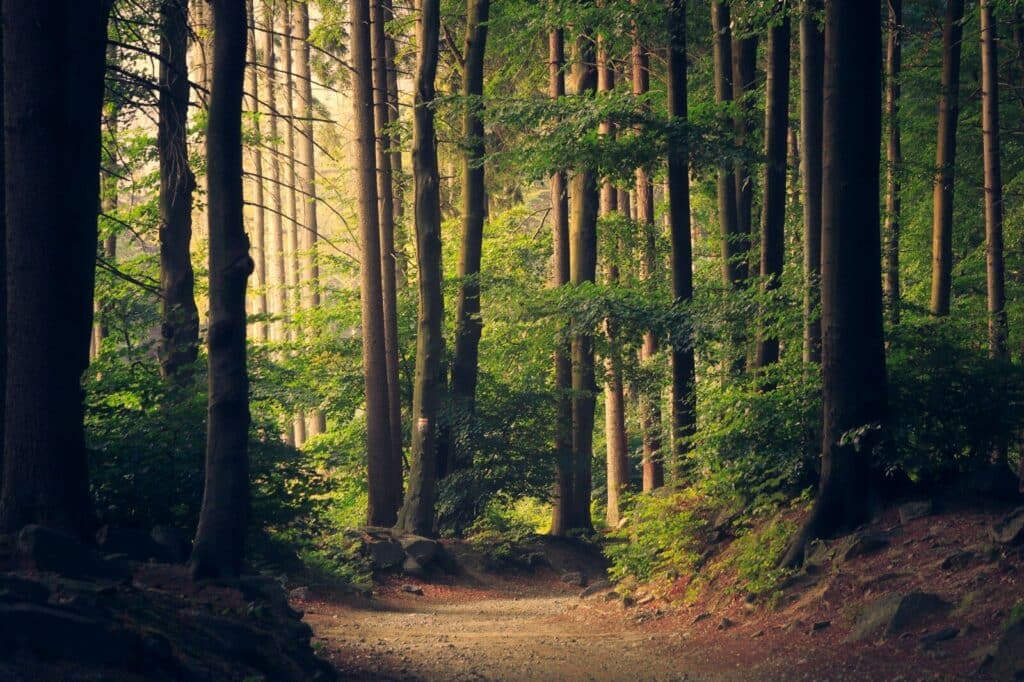
Photo by Lukasz Szmigiel on Unsplash
Protecting Your Property and Community
The beautiful trees that line our streets and fill our yards are part of what makes Augusta County special. Proper tree care is a community responsibility. It protects your house and your family, and it contributes to the safety and beauty of our shared spaces, especially when it comes to trees near power lines.
Our goal is to be a helpful resource for our community. We want to provide homeowners and property managers with the knowledge they need to make informed decisions about their trees. By working together, we can protect these vital natural assets.
Schedule a Professional Tree Assessment
Don't wait for a storm to find out if your trees are at risk. As a locally owned company, we are dedicated to providing honest, professional, and health-first tree care guided by national industry practices.
Contact Blue Mountain Arbor today to schedule an evaluation. Let us help you protect your property and ensure your trees remain healthy, safe, and beautiful for years to come.