It starts with a feeling of unease. Maybe you’re looking out your kitchen window at a massive oak tree leaning a little too aggressively toward your roof. Perhaps you’ve noticed dead branches hanging precariously over your driveway after the last storm. Or maybe a main trunk has grown so close to the power lines that every gust of wind makes you nervous.
We see this all the time here in Augusta County. Homeowners love their trees—and so do we—but there comes a moment when a tree shifts from being an asset to a liability.
At Blue Mountain Arbor, we understand that facing a large tree removal can be stressful. It’s noisy, it looks complicated, and frankly, it can feel overwhelming to see a part of your landscape disappear. That’s why we believe in transparency. We want to walk you through exactly what happens when we remove a large tree, from the first phone call to the final cleanup, so you never have to wonder what to expect.
What Qualifies as Large Tree Removal?
Not every tree job is created equal. When we talk about large tree removal, we aren't talking about a small dogwood or a sapling you can handle with a pair of loppers. We are talking about trees that have significant height, massive trunk diameter, and a canopy spread that dominates the landscape.
In our area, we often deal with mature hardwoods like oak trees, maples, and hickories that have stood for decades. These trees are beautiful, but their sheer tree size makes removing them a complex operation. The difference between removing small trees and taking down a 90-foot oak is night and day. It requires different gear, a larger crew, and a much higher level of strategic planning to ensure nothing—and no one—gets hurt.
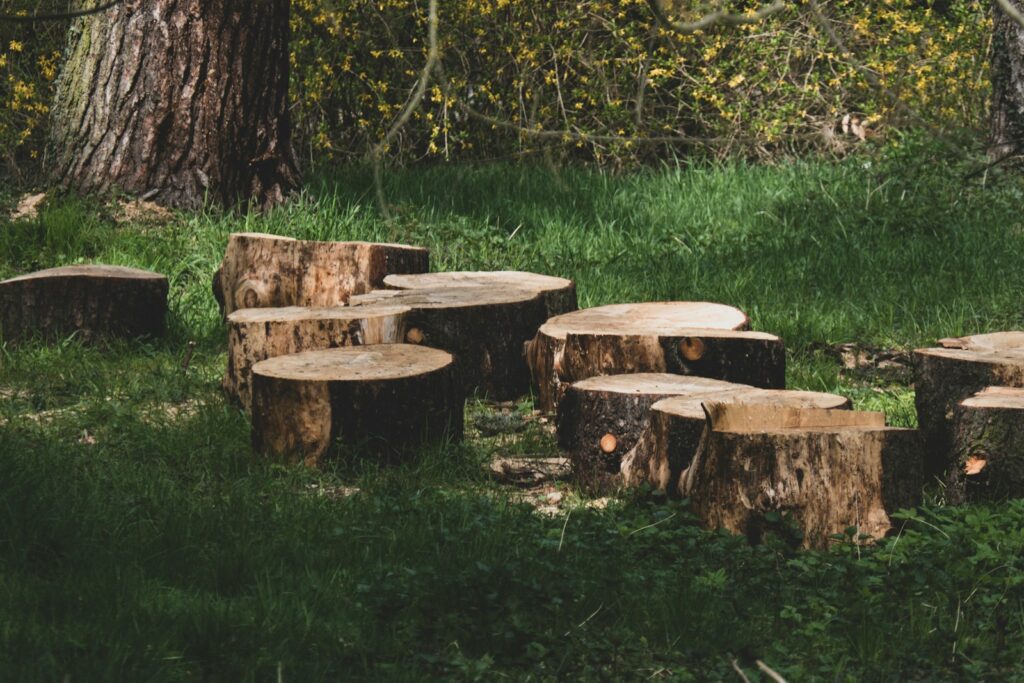
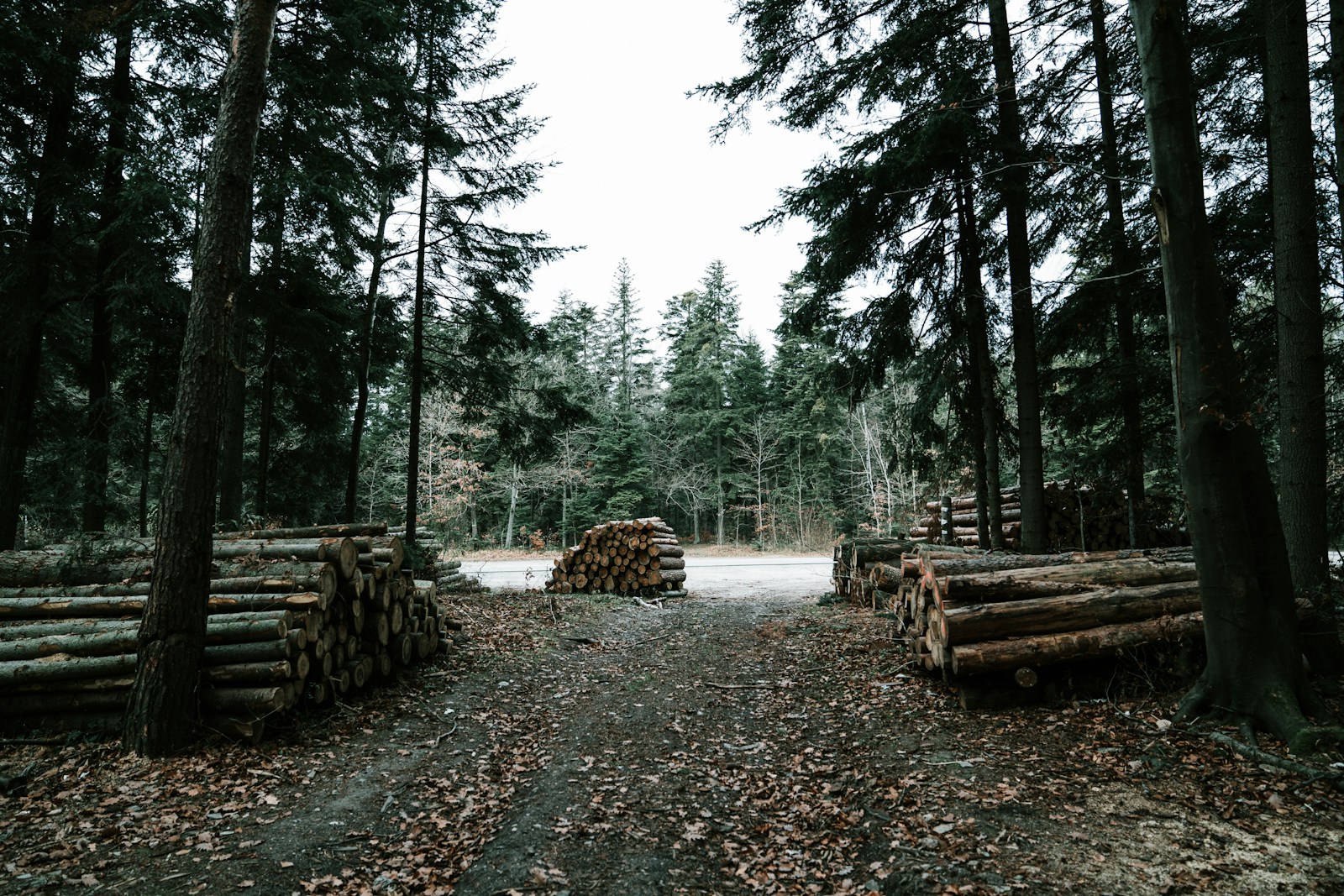
Photo by Artur Łuczka on Unsplash
Why Large Trees Can Become Hazardous
Ideally, we want every tree to live a long, healthy life. Our philosophy is always health-first. However, hazardous trees are a reality we have to manage.
A tree often becomes a hazard long before it falls. We look for specific warning signs:
- Dead branches in the upper canopy (often called "widowmakers").
- Deep cracks or cavities in the tree trunk.
- Root upheaval or signs of fungal growth at the base.
- Falling branches after minor wind events.
When tree health is compromised, the structural integrity fails. If a tree of this magnitude is within striking distance of your house, garage, or other structures, the risk of property damage skyrockets.
Our Initial Inspection and Safety Planning
Before a single chainsaw starts, we need a plan. When you call us, an arborist or experienced team leader will visit your property to evaluate the situation.
This isn’t just a quick glance. We look at the target tree from every angle. We assess the lean, the weight distribution, and the health of the wood. Are there power lines running through the canopy? Is the ground soft or uneven? Is there a septic tank or fence nearby?
As a professional tree service, safety is our obsession. We map out drop zones and determine exactly how we will bring the tree down. We never just "cut and hope." Every cut is calculated.
Managing Power Lines and Tight Spaces
One of the most common complications in Augusta County is trees growing into or over utility lines. Working near power lines is dangerous work that requires additional safety measures.
If your tree is entangled in high-voltage lines, we may need to coordinate with the utility company to disconnect power temporarily. Even if it’s just the service drop to your house, we have to use extreme caution.
This is where hiring a team with specialized skills matters. We use rigging techniques to lower branches away from the lines, rather than letting them fall freely. Many general landscapers simply aren't equipped for this level of technical work, but for us, navigating tight spaces and utilities is part of the daily job.
The Large Tree Removal Process: Step by Step
So, what does the actual day look like? Here is the tree removal process in action:
- Site Prep: We arrive, set up our safety zones, and stage our equipment.
- Limbing Up: We don't just fell the tree like lumberjacks in a movie. For large residential trees, we usually climb the tree or use a lift to remove dead branches and live limbs, starting from the bottom and working up.
- Sectional Removal: Once the canopy is gone, we are left with the spar (the main trunk). We begin cutting down a tree in manageable sections, lowering it slowly to the ground using ropes and rigging blocks.
- Ground Crew Coordination: As pieces come down, our ground crew immediately processes them. This keeps the work zone clear and safe.
We avoid dropping an entire tree at once unless we are in a wide-open pasture with zero risk. In residential neighborhoods, it’s all about control.
Debris Removal and Stump Options
Once the tree is down, you’re left with a lot of wood. A single large oak can generate tons of debris.
Our standard service includes complete debris removal. We chip the brush and haul away the logs. However, we are also eco-conscious. If you want to keep the wood for firewood, we can cut the logs to manageable lengths and leave them for you.
Then there is the stump. You generally have two choices:
- Stump Grinding: We use a machine to grind the stump down below ground level. This allows you to plant grass or cover the area with mulch.
- Stump Removal: This involves digging out the root ball entirely. This is rarely recommended for large trees as it leaves a massive crater and can damage underground utilities.
Most clients opt for stump grinding. It’s cleaner, faster, and leaves your yard ready for a fresh start.
Understanding the Average Cost Breakdown
"How much will it cost?" is the question everyone asks. The truth is, there is no flat rate because there are several factors involved.
An average cost breakdown for removing a large tree considers:
- Tree Height and Width: Bigger trees take more time.
- Trunk Diameter: Thicker wood is heavier and harder to move.
- Location: A tree in the front yard is cheaper to remove than one in a fenced backyard that we can’t reach with our trucks.
- Risk: Trees near houses or power lines require slower, more technical work.
The average cost reflects the labor, insurance, equipment, and expertise required to do the job safely. We aim to be competitive, but we never cut corners on safety to lower the price.
Additional Costs and Factors That Affect Pricing
Sometimes, a quote might be higher than expected due to additional costs. These various factors might include:
- Emergency Services: If a storm has already knocked the tree onto your house, the work is much more dangerous and urgent.
- Obstacles: If we have to build a ramp to get equipment over a retaining wall or hand-carry debris long distances.
- Hauling Fees: Disposal of massive amounts of wood incurs costs at the dump.
However, we can often help you save money by bundling services. If we are already on-site with our equipment, removing a few smaller stumps or pruning a nearby tree is much cheaper than scheduling a separate visit.
Why Getting Multiple Quotes Matters
We encourage you to get multiple quotes. It’s smart to compare prices. But when you look at those numbers, look at what’s behind them too.
There are several tree removal companies out there. Some are tree removal services with full insurance, workers' comp, and arborists. Others are "a guy with a truck and a chainsaw."
If a quote seems too good to be true, it probably is. The cheapest option often lacks insurance. If they drop a limb on your roof or get injured on your property, you could be liable. When you hire Blue Mountain Arbor, you are paying for peace of mind, knowing that if serious damage were to happen (which we work hard to prevent), you are fully protected.
Protecting Healthy Trees During Removal
Just because we are removing one tree doesn't mean we stop caring about the others. Our "health first" philosophy applies even during removal.
Heavy machinery can compact soil and damage the roots of nearby healthy trees. Falling limbs can scrape the bark of adjacent maples or dogwoods. We take extra care to create paths for our equipment and use ropes to swing debris away from the trees you want to keep. We view your landscape as a whole ecosystem, not just a construction site.
What to Expect From a Professional Tree Service
When you hire a professional tree service, the experience should feel different.
- Communication: We answer our phones. We show up when we say we will.
- Dependability: We don't leave a job half-finished.
- Cleanup: This is a big one. Our goal is to leave your yard looking better than we found it. We rake up the sawdust, blow off the driveway, and ensure no trash is left behind.
Serving Augusta County With Care and Experience
We live here. We work here. We know the soil, the weather patterns, and the tree species that thrive in the Shenandoah Valley. Blue Mountain Arbor isn't a faceless franchise; we are your neighbors.
Whether we are helping a developer clear a lot or helping a grandmother save her favorite shade tree, we treat every property with respect.
Request a Free Estimate
If you have a large tree that’s worrying you, don’t wait for the next storm. Reach out to us.
We offer a free estimate where we can assess the tree, explain the risks, and give you a fair price for the work. Large tree removal doesn't have to be a nightmare. With the right team, it’s just another step toward a safer, more beautiful home.
Contact Blue Mountain Arbor today, and let’s get your property safe and secure.
Here are 7 helpful links and resources for large tree removal, focusing on safety, techniques, and community support.
Tree Care & Maintenance
Learn about tree health, pruning, and removal from certified arborists.
Visit Arbor Day Foundation
Low-Cost Tree Removal Techniques for Gardeners
Explore DIY methods and affordable alternatives for safe tree removal.
Read on Permies
Tree Trimming & Removal Safety Fact Sheet
A detailed guide on preventing injuries during tree trimming and removal.
Download the Fact Sheet
Tree Work Safety Guide
Comprehensive safety guidelines for tree trimming, removal, and repair.
Access the Guide
International Society of Arboriculture (ISA)
Find certified arborists and learn about tree care best practices.
Visit ISA
National Arborist Association Resources
Access educational materials and safety tips for tree removal.
Explore Resources