
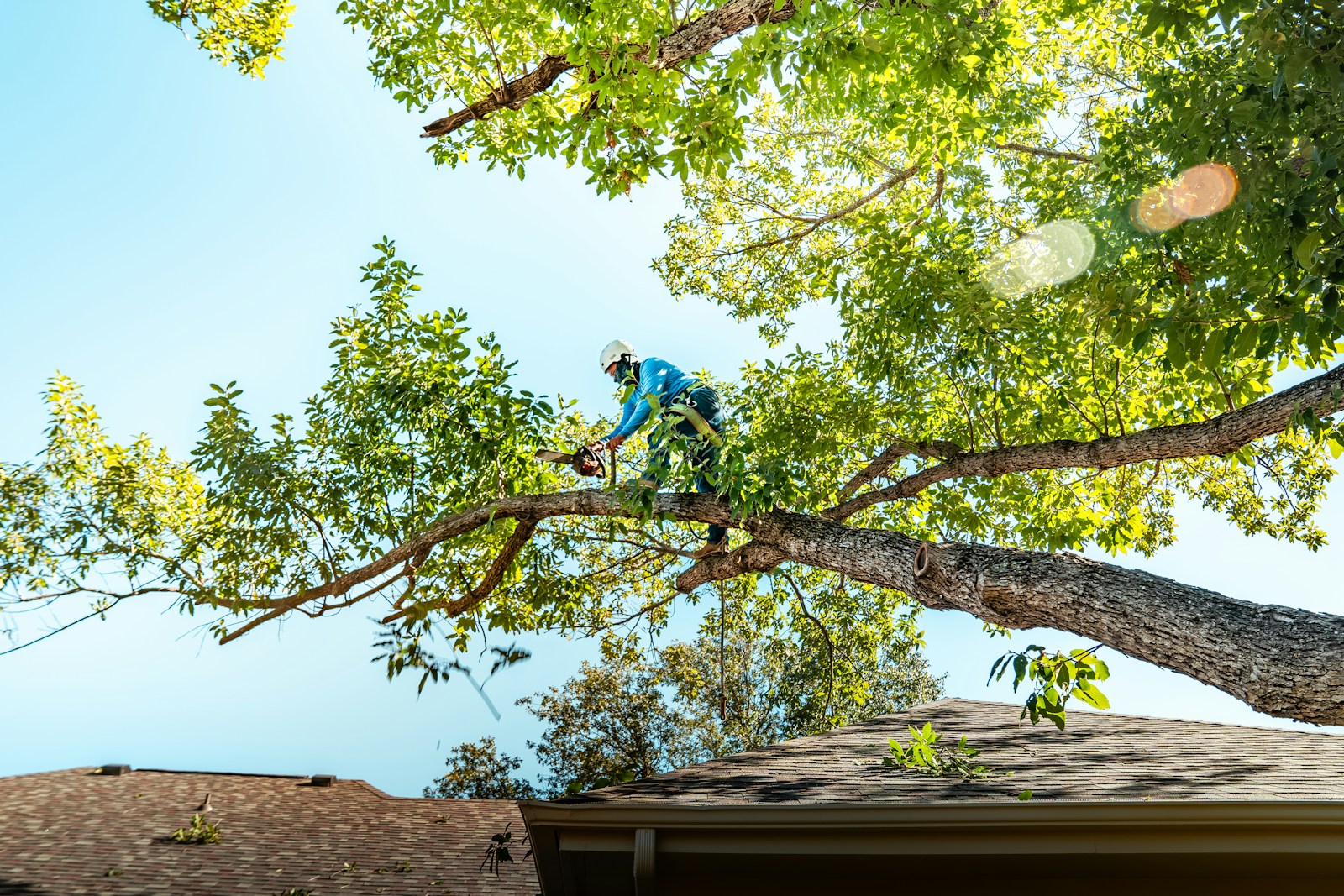
I talk with a lot of homeowners in Staunton who take immense pride in maintaining their yards. It’s part of what makes our community in the Shenandoah Valley so beautiful. Many of you already own pruning saws, hedge shears, or a pole saw, and that’s not a bad thing.
For small, simple tasks, the right-hand tools can absolutely be useful, and it’s convenient to shop for these tree pruning tools at local stores or online. Many retailers offer a variety of tree pruning tools, catering to both professional arborists and DIY enthusiasts. These tools come in a variety of options, including loppers, pruning saws, and shears, with quality and grade suitable for both homeowners and professional arborists.
But I’ve also seen how quickly a routine pruning job can turn into a safety issue or a long-term tree health problem when the wrong cut is made in the wrong place.
At Blue Mountain Arbor, our role isn’t just to cut trees; it’s to help people understand where homeowner tools work well and where professional tree care makes a real difference. We believe in caring for trees the way a surgeon cares for patients—with precision, respect, and a long-term focus on health.

Photo by Jason Leem on Unsplash
Introduction to Tree Care
Caring for your trees, shrubs, and bushes isn’t just about keeping your yard looking its best—it’s about ensuring the long-term health and safety of your landscape. One of the most important tasks in tree care is pruning, which involves selectively cutting or removing branches to encourage healthy growth, remove dead or diseased wood, and shape your plants for both beauty and strength.
To get the job done right, having the proper pruning tools is essential. Whether you’re reaching for pruning saws to tackle thicker limbs, using hedge shears for shaping bushes, or grabbing bypass pruners for those smaller branches, the right tool can make all the difference.
Sharp blades and a quality pruning blade ensure clean, precise cuts that help your plants heal quickly and look their best. For those hard-to-reach spots, a pole saw, or even a lightweight chainsaw can provide the extra reach and power needed for tougher jobs, while ergonomic handles and lightweight designs help reduce fatigue and give you more control.
Professional arborists often rely on a mix of hand tools and specialized equipment to handle everything from tight spaces to heavy branches. But even for homeowners, understanding which tree trimming tools to use—and when—is key to maintaining healthy trees and shrubs. Investing in sturdy, high-performance tools with features like replacement blades and comfortable grips can make your pruning tasks easier and more effective.
If you’re new to tree care, take some time to get familiar with the different types of pruners, loppers, shears, and saws available. Each tool is designed for a specific job, whether it’s making precise cuts on delicate flowers or powering through thick branches. By choosing the right tool for each task and learning proper pruning techniques, you’ll be able to maintain your landscape with confidence and ease.
In the sections ahead, we’ll explore the world of pruning tools in more detail, from the best hand tools for smaller jobs to the power equipment professionals use for tough, high-reach tasks. Whether you’re a seasoned DIYer or just starting out, you’ll find the resources and advice you need to keep your trees and shrubs healthy, beautiful, and safe.
The Right Tool Isn’t Always the Whole Answer
There’s no shortage of tree trimming tools on the market. Walk into any hardware store, and you’ll see walls of sharp blades and ergonomic handles promising to make yard work easy. However, each tool is designed for a specific task, and problems usually start when tools—and the people using them—are pushed beyond their limits.
To narrow your choices, consider the specific pruning task at hand and your budget—tree pruning tools can vary in price, with options available for both budget-conscious consumers and professionals.
As someone leading a team in a TCIA-member business with certified staff, I can tell you that successful tree care is about 20% the tool and 80% the knowledge behind it.
Understanding Common Pruning Tools Homeowners Use
Let’s break down the common equipment I see in sheds across Staunton and discuss where they shine—and where they fall short. Additionally, effective tree pruning tools include hand pruners, loppers, pruning saws, pole pruners/saws, and chainsaws.
Pruning Saws: Sharp but Unforgiving
Pruning saws are best for small to medium branches that are too thick for clippers but small enough to manage by hand. Pruning saws are essential for branches larger than 1.5 to 2 inches in diameter. They depend heavily on having a replacement blade available because a dull saw requires excessive force.
The Corona Max RazorTOOTH Folding Saw is a top choice, cutting up to two times faster than standard saws, and is essential for branches thicker than 2 inches. Its cushioned pistol grip handle and impulse hardened blade provide long-lasting performance and comfort. With a high-quality saw like this, you’ll notice it cuts like butter, making the job smooth and effortless.
When used correctly, they are great for cleaning up storm debris on the ground. However, using them on a live tree requires steady footing and good leverage. Used incorrectly, pruning saws can tear bark or create jagged wounds that invite disease and pests, compromising the tree’s health for years to come.
Hedge Shears and Bypass Pruners: Precision for Small Plants
These are the tools I recommend most homeowners keep handy. Hedge shears and bypass pruners are ideal for detail work on shrubs, bushes, and small stems.
They allow you to make precise cuts on thin branches and are perfect for light maintenance and shaping of your landscaping. However, it is crucial to remember they are not designed for structural pruning or cutting through woody limbs. Forcing them through thick branches can damage the tool’s mechanism and crush the plant tissue, leading to dieback.
Pole Saws: Reach Comes With Risk
The pole saw is perhaps the most controversial tool in a homeowner’s arsenal. Pole pruners and pole saws are specifically designed for reaching high branches, typically up to 15–20 feet, and many tree pruning tools feature extension poles to keep users safely on the ground. They offer extended reach, allowing you to get to higher branches without a ladder—especially with extendable tree pruners that eliminate the need for climbing.
Chain-drive extendable pole saws provide more cutting power than traditional tree trimmers, making tough jobs easier. A popular option, the Portland 6.5 Amp Electric Pole Saw, extends up to 8 feet 10 inches and weighs under 8 pounds, making it easy to handle for most users. For ground workers, using a tool holster or scabbard that attaches to a belt helps keep pole saws organized and easy to carry on the job site.
Common challenges with pole saws include:
- Limited precision: It is incredibly difficult to make a clean collar cut when the saw is 10 feet above your head.
- Fatigue: The leverage works against you, making the tool feel heavier and leading to muscle fatigue quickly.
- Increased risk: You are often standing directly in the drop zone of the limb you are cutting.
This is where many DIY injuries happen. What looks like a simple cut from the ground becomes dangerous when gravity takes over.
Choosing the Right Tool Matters, But So Does Technique
Even the best tree trimming tools can’t compensate for improper cuts. In my line of work, we see the aftermath of “bad haircuts” on trees all the time.
Using the right tree pruning tools for the job makes a big difference in both results and effort. For example, loppers are best for medium branches up to 1-2 inches thick, providing leverage for tough cuts and reducing the physical effort required.
Improper pruning can lead to:
- Weak regrowth: Trees often panic-respond to bad cuts by shooting up weak, spindly water sprouts.
- Structural problems: cutting the wrong leader branch can unbalance the tree.
- Stress: Just like us, trees get stressed. Bad cuts impact their overall immune system.
Tree pruning isn’t just about removing branches. It’s about knowing exactly where to cut to trigger the tree’s natural healing process.
Why Professional Tree Care Is Different
Professional care isn’t just about having more power or bigger equipment. It’s about control, planning, and safety. Our team uses strong, durable professional-grade tree pruning tools designed to withstand demanding tasks and deliver long-lasting performance. For example, the Hickok Tree Lopper features forged blades built for high-frequency use, making it a reliable choice for tough jobs.
The Silky Zubat 330 saw, widely used by arborists worldwide, offers a high-quality curved blade that enables fast, powerful cuts. The Woodland Tools 14 ft pole pruner is also recognized for its excellent performance and ease of use, with users expressing satisfaction after initial use. When Blue Mountain Arbor steps onto a property, we bring a health-first philosophy that focuses on preserving trees whenever possible.
What Professionals Bring to the Job
- Knowledge of structure: We understand growth patterns and how a cut today affects the tree five years from now.
- Access: We have the ability to climb and work safely in tight spaces that a ladder simply can't reach safely.
- Specialized equipment: From rigging gear to heavy-duty chippers, we have equipment designed for tough jobs.
- Precise cuts: We make cuts that support long-term health, sealing properly without the need for wound paint.
This level of care simply isn’t possible with hand tools alone. Our local expertise, rooted in the soil and species of the Shenandoah Valley, allows us to make decisions tailored to our specific climate.
Safety Risks Homeowners Often Underestimate
Tree work is inherently more dangerous than most people expect. It consistently ranks as one of the most dangerous professions, even for trained experts.
Common DIY Risks include:
- Working overhead with sharp blades.
- Falling branches striking the head, roof, or someone on the ground.
- Ladder instability on uneven yard terrain.
- Chainsaw use without proper chaps or training.
Professional-grade equipment is designed to deliver both high performance and enhanced safety, reducing the risk of accidents during tree pruning.
What starts as a “quick trim” on a Saturday afternoon can turn into a serious accident in seconds. We operate with a safety-driven approach using precision techniques because we know the risks involved.
When DIY Pruning Is Reasonable
I don’t want to discourage you from touching your trees entirely. There are situations where homeowner pruning makes sense.
DIY is usually fine for:
- Small branches within arm’s reach (keeping your feet on the ground).
- Light shrub and bush maintenance.
- Removing dead twigs and performing minor cleanup after a storm.
Cordless pruning tools are battery-powered and offer portable power for pruning tasks, often relying on a battery pack. Keep in mind that cordless pruning tools may require additional upkeep and a greater upfront investment, but they deliver the benefit of portability.
The key is staying within your comfort zone and your tools’ limits. If you have to force the tool, or if you feel your heart rate spike from nerves, it’s time to stop.

When It’s Time to Call a Professional
If a task involves height, heavy weight, or risk to property, it’s time to step back. Calling a professional isn’t giving up; it’s a smart management decision for your property.
Professional help is the better choice when:
- Branches are overhanging roofs, driveways, or power lines.
- Large limbs require controlled lowering with ropes.
- Trees need structural pruning to correct their shape.
- You have concerns about the tree’s health or stability.
Additionally, if you’re considering DIY, it’s wise to invest in the latest recommended tree pruning tools for 2026, such as ratcheting shears for beginners and professional-grade bypass pruners.
We offer full-service capabilities, from pruning and health assessments to stump grinding and removals. Plus, we are eco-conscious, handling debris responsibly, so you aren’t left with a mess.
Helping Staunton Homeowners Make Informed Choices
Our goal isn’t to discourage homeowners from caring about their yards. It’s to help people understand where tools are helpful and where professional care makes a real difference. Healthy trees last longer, look better, and create fewer problems down the road.
We are proud to be a trusted partner for homeowners, HOAs, and businesses throughout the region. We are members of the International Society of Arboriculture (ISA) and a TCIA business, ensuring our techniques follow the highest professional standards. In addition, Harbor Freight offers inexpensive and high-quality pruning tools for maintaining outdoor spaces.
If you’re unsure whether your pruning task is a good DIY project or something better handled professionally, let us help.
Schedule a professional tree pruning evaluation in Staunton, VA today. We’re here to help you make the safest, smartest decision for your trees.