As a tree care professional here in the Shenandoah Valley, I’ve had the privilege of working on some of the most beautiful properties in the region. From ancient oaks to elegant ornamental trees, our landscape is rich and diverse. However, that same diversity, combined with our unique climate of cool, wet springs and humid summers, makes our trees especially vulnerable to a variety of diseases.
Many of these disease problems start quietly. A few discolored leaves or a bit of early leaf drop might not seem like a major issue, but without professional tree care, these small signs can escalate. I’ve seen diseases weaken a tree’s structure, threaten its long-term health, and even spread to other healthy trees on a property. The good news is that early detection and proper treatment can protect your trees, your property, and your peace of mind.
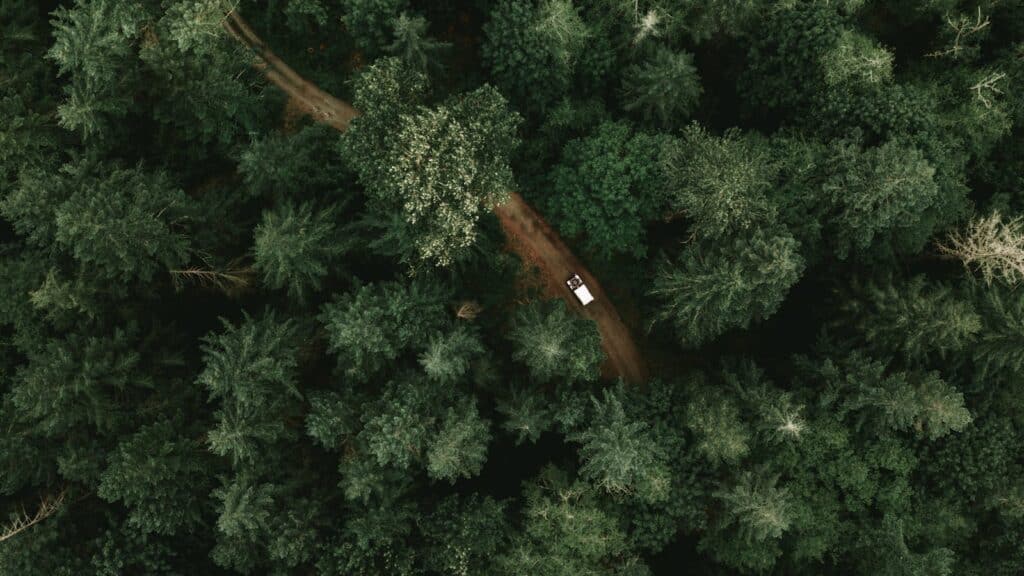
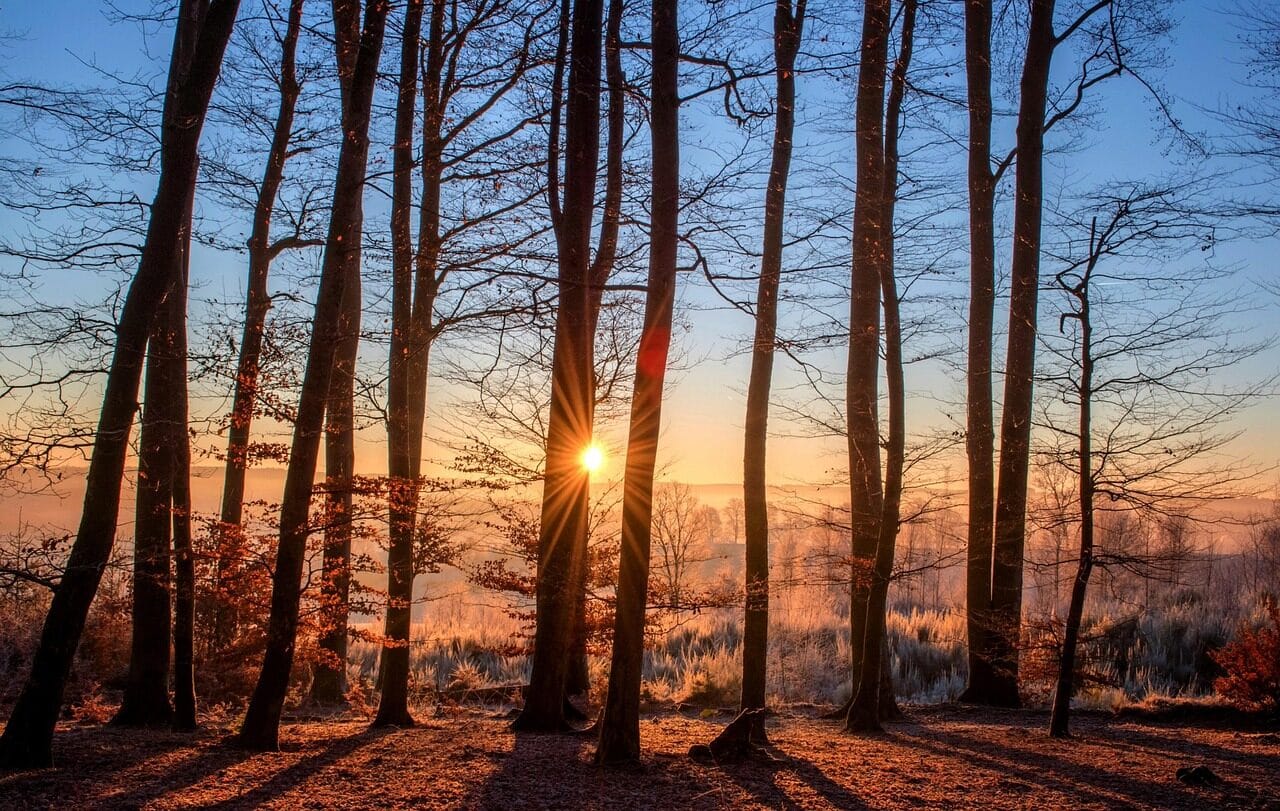
Photo by Taryn Elliott on Pexels
Our Health-First Approach to Tree Diseases
At Blue Mountain Arbor, our philosophy is simple: we preserve trees whenever possible. We see ourselves as tree surgeons, not just a removal service. Our focus is always on accurate diagnosis, effective prevention, and long-term health. We’re here to help your trees thrive for years to come.
To ensure we provide the best care, our team includes TCIA certified staff, and we are proud members of the International Society of Arboriculture (ISA). While I am personally working toward my own arborist certification, our work is guided by these industry-leading standards, continuous education, and the expertise of our certified professionals.
Understanding Tree Diseases Before Treatment
Before we can treat a tree, we need to understand what’s causing the problem. In the Shenandoah Valley, most tree diseases are caused by fungi, bacteria, or environmental stress. Factors like our cool, wet springs, sudden drought cycles, compacted soil from construction, and accidental root damage can weaken a tree. These stressed trees become susceptible hosts for pathogens.
Diseases can spread in several ways—through interconnected root grafts between neighboring trees, on infected branches, via windblown spores that land on leaf surfaces, or through open bark wounds. Insects like bark beetles can also carry pathogens from one tree to another. An untreated infected tree doesn't just suffer alone; it can become a threat to the other trees on your property.
Here are 12 common tree diseases we encounter in our area and how we manage them.
1. Dutch Elm Disease
Dutch Elm Disease (DED) is a potentially lethal disease that has had a devastating impact on American elms. It is a fungal disease that attacks the tree’s vascular system, blocking the flow of water and nutrients. The progression can be rapid, causing wilting, yellowing leaves, and eventual tree death.
How We Treat and Manage Dutch Elm Disease
Early detection is key. We use sanitation pruning to carefully remove infected branches and slow the disease's spread. In advanced cases, removal of the infected tree is often necessary to protect other nearby elms from infection.
2. Annosus Root Rot
Annosus root rot is a serious concern for pine species and some hardwood trees in our region. It is common in loblolly pine, shortleaf pine, and other southern pines. This fungus attacks the tree roots, causing decay that compromises the tree’s structural stability, making it a significant safety hazard.
Our Treatment and Prevention Strategy
We focus on prevention by treating stumps after felling to prevent the fungus from colonizing them and spreading to healthy trees. For properties with a history of annosus root, we develop long-term management plans that include careful tree species selection for future planting.
3. Oak Wilt
Many homeowners prize their majestic oak trees, but these giants are vulnerable to oak wilt. This fungal disease is particularly aggressive in red oaks, though white oaks are also susceptible. It spreads through underground root grafts and insects, causing leaf discoloration, wilting, and rapid decline.
Managing Oak Wilt Safely
Timing is everything. We avoid pruning oaks during the high-risk spring and early summer months when the fungus is most active. Our management focuses on disease containment by disrupting root grafts and carefully removing infected wood to reduce risk to surrounding trees.
4. Fire Blight in Fruit Trees and Ornamental Trees
Fire blight is a bacterial disease that gives branches a scorched appearance, as if they were touched by fire. It often appears in early summer and can quickly damage fruit trees like apple and pear, as well as ornamental trees like mountain ash. You’ll notice sudden dieback and blackened, curling leaves on infected branches.
How We Address Fire Blight
Our approach involves precision pruning. We carefully cut away diseased branches well below the visible infection to remove all traces of the bacteria. We then monitor the tree over the long term to ensure it remains healthy and productive.
5. Leaf Diseases: Leaf Spots, Leaf Rust, and Powdery Mildew
We frequently see common leaf diseases across the Valley. These include:
- Leaf spots: Fungal or bacterial spots that can merge and cause large dead areas on leaves.
- Leaf rust: Orange or reddish spots on leaf surfaces, caused by rust fungi.
- Powdery mildew: A white, powdery coating on leaves that inhibits photosynthesis.
While often cosmetic, these can become a serious disease if left untreated. They can lead to premature defoliation, which weakens the tree by reducing its ability to create food, making it more vulnerable to other stressors.
Treatment and Prevention
Improving airflow through careful pruning is one of the most effective ways to manage leaf diseases. We also help homeowners monitor for early signs of leaf drop and reinfection cycles to keep their trees healthy.
6. Root Diseases and Root Rot
Root diseases are particularly tricky because the damage happens below ground, out of sight. Symptoms like canopy thinning or dieback often don't appear until late in the tree’s life, when the problem is already advanced. A common cause is the fungus Phytophthora cinnamomi, which attacks root hairs and causes root rot.
Our Approach to Root Disease Problems
Diagnosing root disease problems requires a close look at the whole system. We evaluate soil conditions, check for root damage, and assess the health of the root system. Our goal is to intervene early to protect large trees and the surrounding woody plants from decline.
7. Mountain Ash Diseases
Mountain ash trees are beautiful but can struggle in our local climate. They are susceptible to several diseases, including fire blight and fungal cankers, and tend to have a shorter life cycle than other popular shade trees.
How We Support Tree Health
For these trees, ongoing health assessments are critical. We provide targeted care to manage disease and stress. In some cases, we may recommend planting trees better suited to the specific conditions of a property to ensure long-term beauty and health.
8. Leaf Drop and Premature Defoliation
Significant leaf drop outside of the normal autumn cycle is an important warning sign. Premature defoliation often indicates disease problems, particularly from fungal pathogens attacking leaf surfaces.
When Intervention Is Needed
When a tree loses its leaves too early, it can’t store enough energy for winter, which can lead to long-term decline and even tree mortality. We intervene to diagnose the underlying cause and implement a care plan to protect the health of valuable hardwood species and ornamental trees.
9. Rust Fungi and Leaf Rust
Rust fungi create distinctive orange or reddish pustules on the upper surface of leaves, a common sight during our cool, wet springs. While a minor infection may not harm the tree, severe leaf rust can reduce its vigor.
Management and Monitoring
Our tree care strategies focus on reducing the conditions that allow rust fungi to thrive. This includes improving air circulation and managing moisture to reduce its spread to other plants on your property.
10. Bark Beetles and Secondary Infections
Insects and diseases often work together. Stressed trees are prime targets for bark beetles, which bore into the bark and can introduce or worsen disease problems.
Our Integrated Response
A successful treatment plan must address both the insect pressure and the underlying disease. We develop an integrated response that manages the pest while also improving the tree’s overall health to make it more resilient against future attacks. This helps protect not only the host tree but also other affected trees nearby.
11. Diseases Affecting Pine and Hardwood Species
Different species face different threats.
- Pine Species at Risk: Southern pines like loblolly pine and shortleaf pine are susceptible to annosus root rot and other fungal diseases.
- Hardwood Trees Commonly Impacted: Walnut trees, oak trees, and other popular shade trees face threats from diseases like oak wilt, anthracnose, and various leaf spots.
12. When Tree Removal Becomes Necessary
Our goal is always to save a tree, but sometimes a disease is too advanced. When a tree’s structural integrity is compromised, it can pose a serious risk to your home, family, and property. Leaving a severely diseased tree standing can have devastating consequences.
How We Handle Removals Responsibly
When removal is the only safe option, we execute it with a safety-first approach. Our team uses precision techniques and professional equipment to protect your property. We ensure a thorough cleanup and can provide recommendations for replanting a more suitable tree in its place.
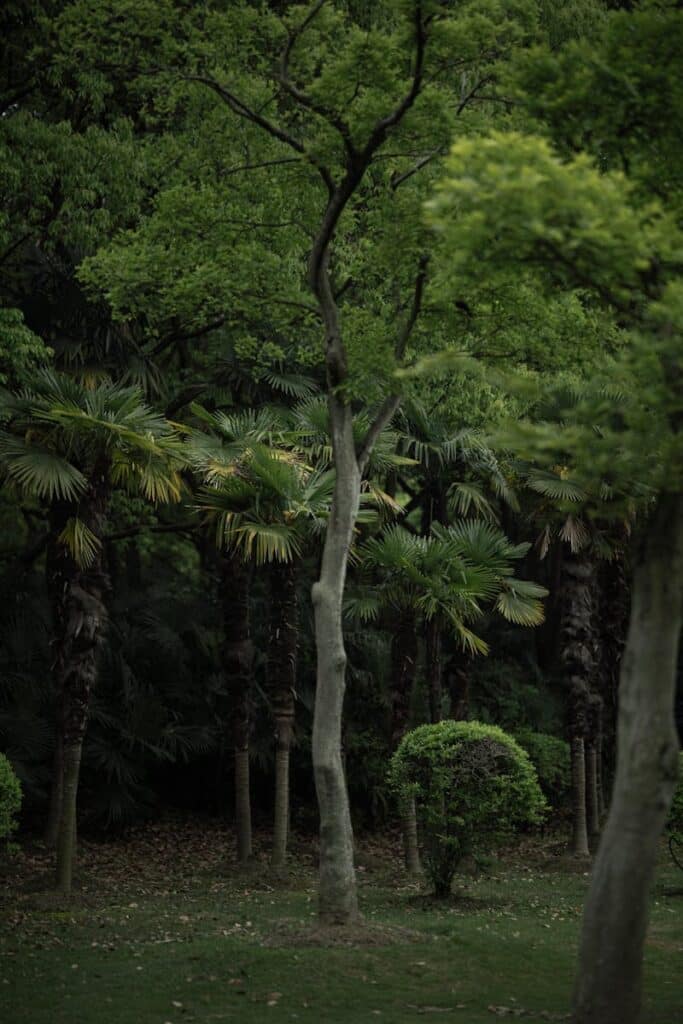
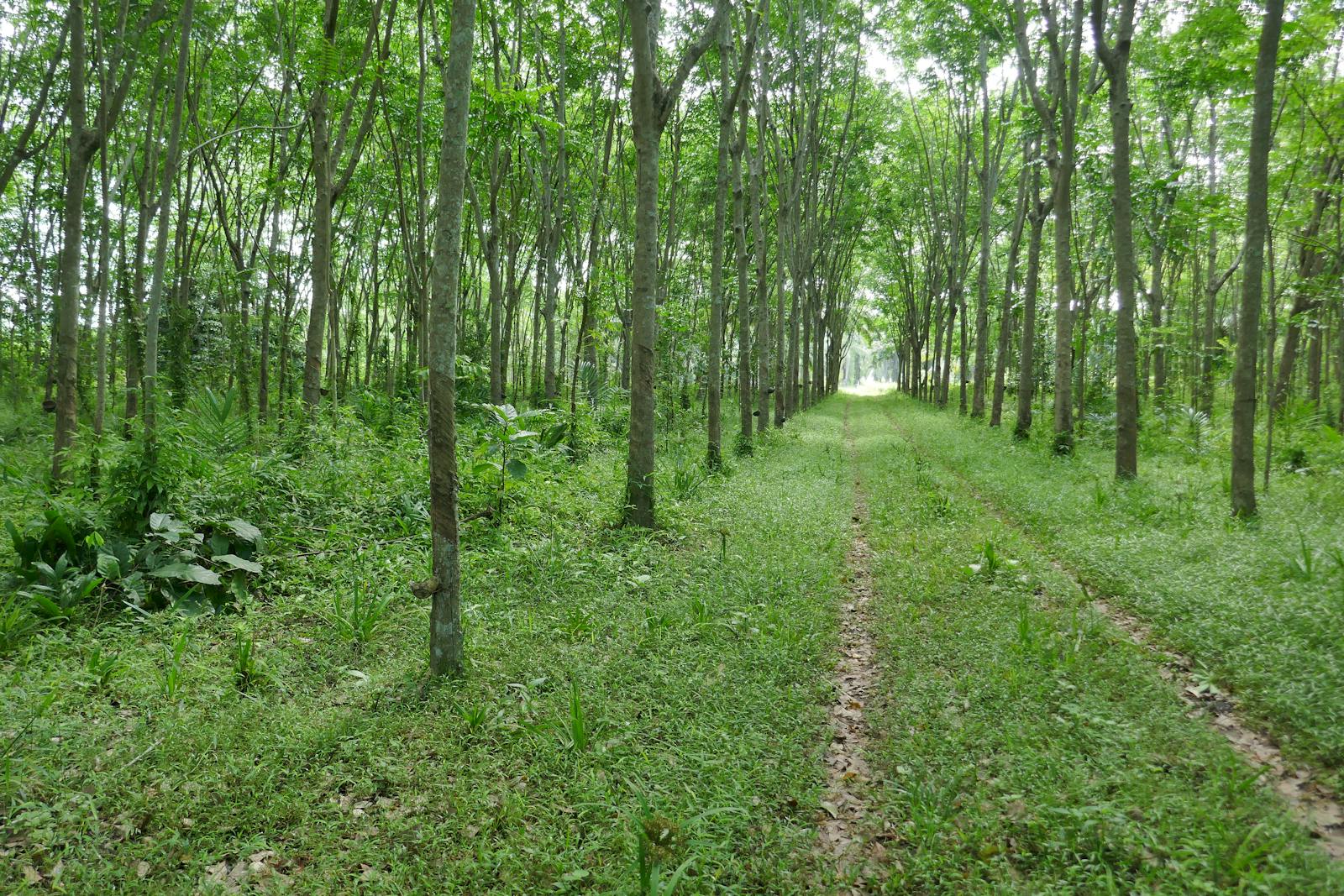
Photo by dayong tien on Pexels
How Homeowners Can Help Keep Trees Healthy
Our work is informed by the latest research and guidance from sources like the USDA Forest Service, which helps us stay current on emerging diseases in the southern United States. But professional care is only part of the equation. Homeowners can play a vital role by:
- Scheduling early inspections to catch problems before they worsen.
- Avoiding root damage from construction or digging near the tree’s base.
- Ensuring proper planting and mulching techniques.
- Knowing when to call a professional for diagnosis and treatment.
Protecting Trees Is About Protecting Your Property
At Blue Mountain Arbor, we are committed to enhancing the safety, health, and natural beauty of your landscape. Most common tree diseases are manageable, especially when caught early. By working together, we can ensure your trees remain a strong, beautiful, and safe part of your property for decades.
If you have concerns about the health of your trees, don't wait for the problem to grow. Schedule a professional tree health assessment with our team, and let us give you the peace of mind that comes with knowing your property is in good hands.