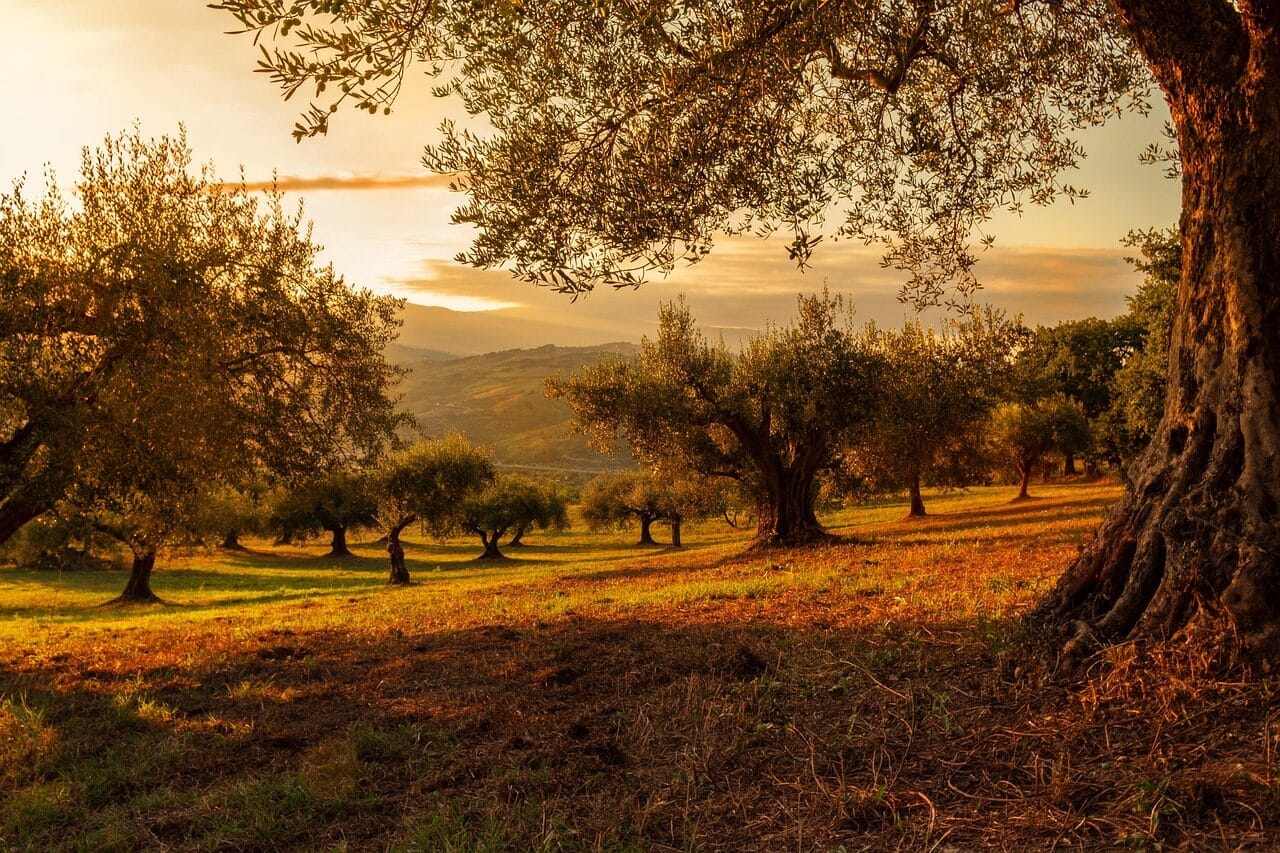
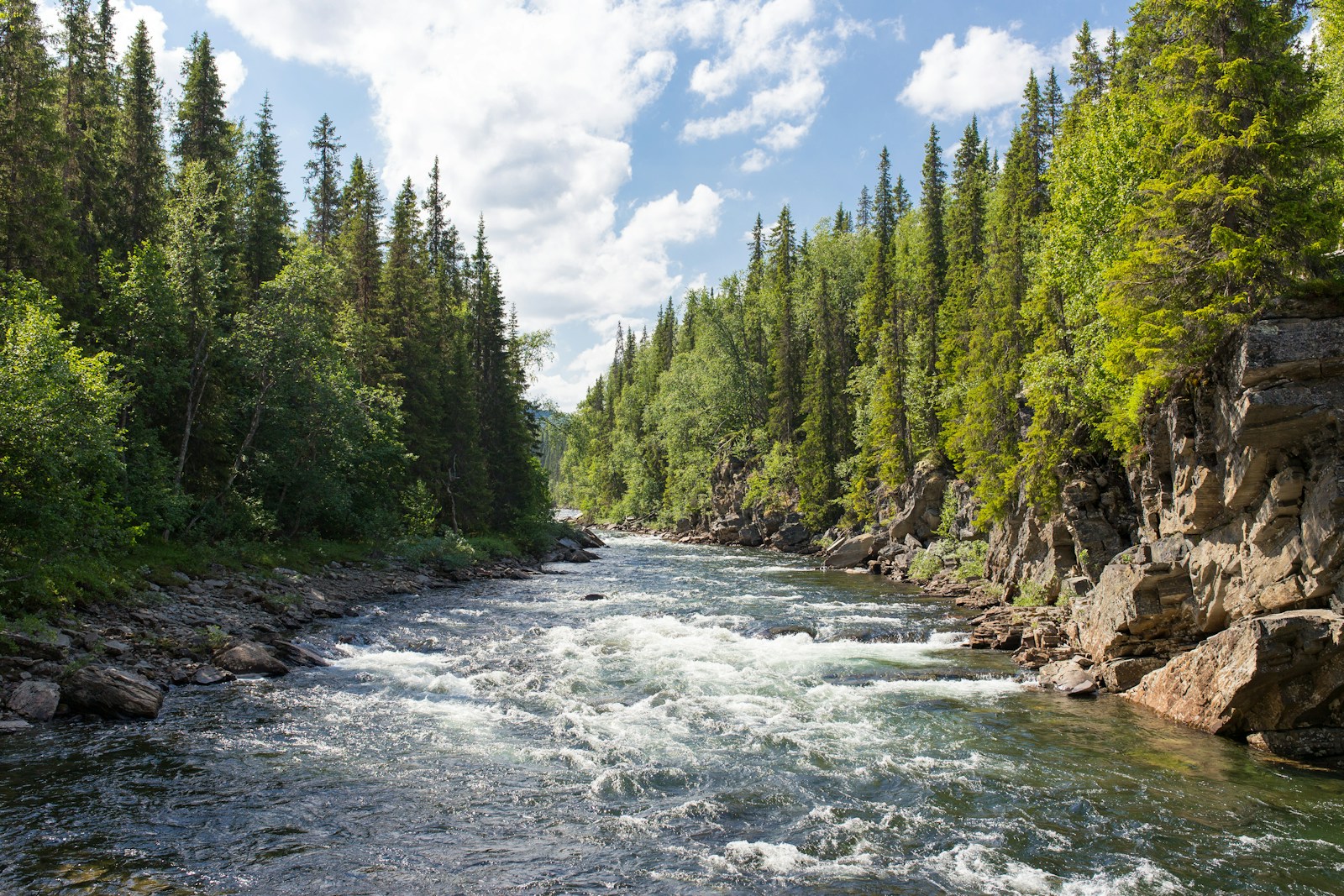
Growing up here in the Shenandoah Valley, I’ve always seen trees as more than just landscape decorations. They are the giants that shade our homes, the history markers on our farms, and the backdrop to our daily lives. At Blue Mountain Arbor, my goal isn't just to cut timber; it's to ensure the longevity and safety of the canopy that defines our region.
However, living in this beautiful valley means our trees face year-round challenges. From heavy clay soil and summer droughts to the weight of winter ice storms, environmental stress takes a toll. That is why early detection is so critical. A professional tree health inspection isn’t about looking for reasons to chop a tree down. It’s the exact opposite. It is about identifying potential problems early so we can protect your property and keep your trees standing strong for generations.
What a Tree Health Assessment Includes (And Why It’s More Than a Quick Look)
When I arrive at a property to assess tree health, clients often expect me to just look up at the leaves. But a true evaluation is far more comprehensive. I evaluate the whole tree—from the deepest roots to the highest branches.
I treat your trees the way a doctor treats a patient. I am conducting a visual inspection to spot symptoms that might not be obvious to the untrained eye. I look for signs like cracks, subtle decay, the presence of mushrooms, changes in bark texture, and irregular growth patterns. This systematic process allows me to identify hazards before they turn into emergencies. If we can catch an issue while the tree is still fighting, we have a much better chance of restoring it to healthy growth.
Tree Health: Understanding the Root of the Problem
Often, the most serious issues aren't happening in the sky; they are happening underground. That is why I spend a significant amount of time studying the root collar—the area where the trunk meets the soil.
Root problems are the silent killers of mature trees. I look specifically for girdling roots, which are roots that circle the main stem and slowly choke the tree, cutting off water and nutrients. I also assess whether the root system has enough space or if it has been damaged by construction or compaction.
Healthy soil is the foundation of a healthy tree. Factors like moisture levels, ground conditions, and improper mulch placement (like "volcano mulching") can suffocate roots. Most trees will show symptoms of distress in their root zone long before the canopy begins to die back. By focusing here first, I can often determine the true cause of a tree's decline.
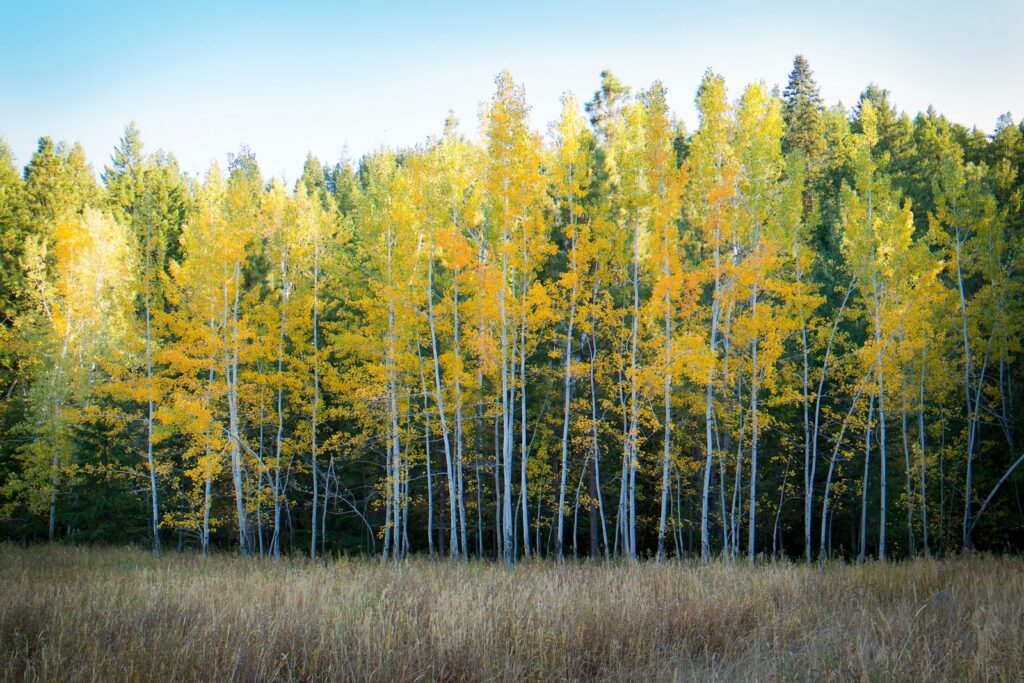
Photo by Collie Coburn on Unsplash
Tree Health Inspection: What I Look For From the Ground Up
To give you a clearer picture, here is a breakdown of my inspection process, moving from the ground up.
Inspecting the Soil and Root Zone
I start by walking the location around the tree. I look for heaving soil or sinking ground, which can indicate instability in the root plate. I also check for surface roots that have been injured by lawnmowers. One of the biggest red flags I look for is the presence of mushrooms growing near the base of the tree. These fungi often feed on decaying wood, signaling that decay is present inside the roots or base of the trunk.
Studying the Trunk and Main Stem
Next, I examine the tree trunk. Normal bark varies by species, so knowing what looks right and what looks wrong is key. I look for cavities, hollows, or cracks that might indicate the tree is structurally compromised. I also check if the tree is leaning—and more importantly, if that lean is new. A tree that has grown at an angle its whole life is usually fine, but a tree that has recently shifted is potentially dangerous.
Reviewing the Branches and Canopy
Finally, I look up. I check the canopy for dead or broken limbs (often called "widowmakers") that pose immediate risks. I look at leaf color and size. Are the leaves yellowing too early? Are they smaller than usual? These are signs of stress. I also look for pest problems, such as exit holes from insects or spotted leaves indicating diseases. The shape and balance of the canopy tell a story; if one side is dying back, it usually corresponds to root damage on that same side.
Tree Risk Assessment: How I Determine Whether a Tree Is Safe
Safety is the number one concern for most homeowners. A tree risk assessment is a specialized part of my visit where I focus purely on the likelihood of tree failure.
I evaluate factors such as visible defects, the tree's location relative to your home or driveway, and its exposure to wind. A hollow tree in the middle of a forest may be fine, but a hollow tree leaning over a nursery is a high-risk situation.
I assess whether the tree has structural weaknesses that make it vulnerable to falling during a storm. If I find a defect, I determine the severity. Is this an immediate emergency, or something we can monitor? My goal is to give you an honest evaluation of the risks so you can make an informed decision about your property.
Mature Trees: Why They Need a Closer Look
Mature trees are irreplaceable assets in your landscape, but they also have unique vulnerabilities. As trees age, they become more susceptible to decay and environmental stress. A large tree that has stood for 80 years has likely weathered many storms, but those old wounds can eventually develop into cavities.
Because these trees are so heavy and tall, the consequence of failure is much higher. That is why early detection through regular inspections—whether in winter, spring, or fall—is vital. My philosophy is preservation. I want to save your majestic oaks and maples whenever possible. Often, installing support cables or performing weight-reduction pruning can extend the life of a large tree safely, allowing you to keep the shade and beauty you love.
What Happens After I Assess Tree Health
Once I have completed the assessment, I don’t just leave you guessing. I walk you through my findings clearly.
If your trees are in good shape, I’ll tell you. If I find concerns, I will explain exactly what they are and show you the evidence—whether it’s a fungal conk at the base or a crack in a high branch.
You will receive recommended next steps tailored to your specific situation. This might include:
- Corrective pruning to remove dead wood.
- Soil care to improve healthy growth.
- Cabling to support weak unions.
- In some cases, removal if the tree is too sick or dangerous to save.
We prioritize clear communication and dependable scheduling. If work is needed, our team handles it with professional care and ensures thorough cleanup.
Common Questions I Get During a Tree Health Assessment
How often should I assess my trees?
Generally, every 1-3 years for mature trees is a good rule of thumb. However, if you notice changes, call immediately.
What if the tree looks “normal” but I’m still concerned?
Trust your gut. Internal decay can be hidden behind normal looking bark. If a tree makes creaking sounds or you feel uneasy, it’s worth a check.
Can sick trees recover?
Many can! If we catch pest problems or soil deficiencies early, treatments can often restore a tree to health.
What happens if a tree becomes too risky to keep?
Safety comes first. If a tree is a danger to your home or family, we can remove it safely using precision techniques.
Are shrubs and smaller landscape plants included?
While my main focus is trees, I can certainly point out issues with shrubs or plants that are competing with your trees for soil nutrients.
Benefits of Having a Professional Arborist Assess Your Trees
Hiring a certified arborist offers benefits that go beyond just aesthetics.
- Safety: We protect homes, cars, and families from falling limbs and tree failures.
- Preservation: We save trees that others might unnecessarily remove.
- Cost Savings: Early detection prevents costly emergency removals or damage repairs later.
- Peace of Mind: You sleep better during storms knowing a professional has checked your landscape.
- Value: Healthy trees increase property value and curb appeal.

Photo by Filip Zrnzević on Unsplash
When to Schedule Your Next Tree Health Inspection
Trees are dynamic living organisms, and they change with the seasons. Here is when to reach out:
- Spring: To check for new growth and ensure trees survived winter dormancy.
- Summer: To identify pest problems or drought stress when leaves are fully out.
- Fall: To check structure and stability before winter winds arrive.
- Winter: This is actually a great time for inspection! Without leaves, I can clearly see the shape of the canopy and structural defects like cracks or crossing branches.
If you notice leaning, insects, odd leaf color, or ground movement, do not wait. Also, always schedule an assessment before major construction projects or new landscaping to ensure you don’t accidentally damage your tree’s roots.
Keeping Shenandoah Valley Trees Strong and Safe
For me, tree care isn't just a job—it’s a commitment to the community we share. Every time I can save a mature tree or make a property safer for a family, I feel a sense of accomplishment.
Your trees are living investments. They deserve expert care, not just guesswork. If something on your property feels off, or if you simply want to ensure your trees are ready for the next season, I’m here to help.
Ready to get the full picture of your tree’s health? Contact Blue Mountain Arbor today to schedule your assessment. Let’s work together to keep your landscape beautiful, safe, and thriving.