
Here in the Shenandoah Valley, our trees are part of our story. From the mature oaks that have stood for generations to the delicate flowering trees that signal the start of spring, they add beauty, shade, and value to our properties. As the founder of Blue Mountain Arbor, I’ve built my life around caring for them. My approach is simple: health first. I believe most trees, whether they are deciduous trees, fruit trees, or the evergreens that dot our landscape, benefit from regular, thoughtful pruning.
Many gardeners feel intimidated by pruning, but it’s a skill that can be learned with practice and the right guidance.
Proper tree pruning is about much more than just cutting branches. It’s a science and an art that supports long-term plant health. Here in the Valley, our unique weather—from heavy winter snows to powerful summer storms—puts stress on trees. Good pruning isn’t just for looks; it protects your home, improves air circulation, prevents broken branches, and helps a tree develop a strong, resilient structure. Large trees, in particular, require special consideration and professional care to ensure their health and natural form are maintained. But how do you know when it’s time to call a professional? Here are 10 common signs I see every day.
Introduction to Tree Care in the Shenandoah Valley
Caring for trees in the Shenandoah Valley means understanding the unique blend of deciduous trees and evergreens that define our landscape. The region’s changing seasons, from brisk winters to lush springs, create both challenges and opportunities for tree health. Pruning trees at the right time is essential—especially for deciduous trees, which benefit most from pruning during the dormant season in late winter or early spring. This timing allows for the safe removal of dead branches and encourages strong, healthy growth as the growing season begins.
Flowering trees require a slightly different approach. To preserve next year’s blooms, it’s best to prune them immediately after they finish flowering, ensuring you don’t accidentally remove the buds that will become next season’s showstoppers. Regular pruning by certified arborists not only keeps your trees looking their best but also supports their long-term health and resilience. By understanding the needs of your trees and the rhythms of the Valley’s climate, you can help your landscape thrive year after year.
Sign 1: Overgrown Tree Branches Touching Your House or Roof
When you hear that scraping sound of branches against your siding or roof during a windy day, it's more than just an annoyance. Those seemingly harmless limbs can rub away protective granules on your shingles, trap moisture against your walls, and even create a pathway for pests like ants and squirrels to get into your home. This is one of the most direct ways a tree can threaten your property.
Depending on the situation, a careful crown reduction or crown cleaning can pull the branches back to a safe distance without harming the tree's overall structure. It's a critical step to protect people and your biggest investment—your home. Letting this go can lead to expensive repairs down the line.
Sign 2: Lower Branches Blocking Walkways or Driveways
Your yard should be a space you can move through freely and safely. If you find yourself ducking under low-hanging branches to mow the lawn or your car is getting scratched pulling into the driveway, it’s a clear sign your trees need attention. These lower branches can block sightlines, creating a hazard for drivers, and make your property feel closed-in.
This is where a technique called crown raising comes in. By carefully removing some of the lowest branches, we can create clearance and open up your space. During an assessment, I can help determine the desired height for clearance that maintains the tree's natural shape and balance. This is especially effective for landscape trees in yards and for guiding the growth of young trees.
Sign 3: Dead Branches, Broken Branches, or Branch Stubs
Dead, cracked, broken, or diseased branches are accidents waiting to happen. They have lost their strength and can fall at any time, posing a serious risk to anything—or anyone—below. You might notice them after a storm, but often they die off quietly due to disease or lack of sunlight. Leaving them on the tree can invite pests and decay into the healthy parts of the tree, and diseased branches can also spread illness to the rest of the tree if not removed promptly.
These situations often require branches to be pruned immediately for safety. It’s especially important to deal with large limbs and large branches that could cause significant damage. A proper pruning cut is made just outside the branch collar—the swollen area where the branch meets the trunk. This allows the tree to seal the wound naturally and prevents decay.
Sign 4: Crossing Branches or Rubbing Stems
When you see branches that are crossing over each other and rubbing together, it's a sign of future trouble. The friction wears away the bark, creating wounds in the stem tissue. These wounds are open doors for diseases, fungi, and insects to enter and compromise the tree's plant health.
Through structural pruning, I can correct these issues, especially in younger trees. By removing one of the competing branches, I guide the tree toward a stronger, more open structure. This simple fix prevents long-term damage and helps the tree grow healthier for years to come.
Sign 5: Excessive Shade or Poor Air Circulation Under the Canopy
A dense, thick canopy might look lush, but it can be unhealthy for the tree and the grass below it. When foliage is too thick, poor light penetration blocks sunlight from reaching the inner branches and the ground, causing inner branches to die off and grass to struggle. It also traps moisture and restricts airflow, creating the perfect environment for fungal diseases to thrive.
Crown thinning is the solution here. It involves selectively removing some of the branches in the upper canopy to let more light and air penetrate the entire tree. This technique is wonderful for improving the health of flowering trees and fruit trees, including apple trees, as it encourages better blooms and fruit production.
Sign 6: Visible Fungus, Rot, or Decay on Limbs
If you spot mushrooms growing on a branch, soft or spongy wood, or deep cracks, you're seeing clear warning signs of internal decay. These symptoms indicate that part of the tree is already compromised. While the tree might still look like a healthy tree from a distance, these damaged branches are weak and can fail unexpectedly.
Removing these limbs helps reduce stress on the tree and can stop the decay from spreading further. During a consultation, I can carefully assess the extent of the damage and determine if the rest of the tree is structurally sound or if more significant action is needed.
Sign 7: Storm Damage and Branches at Risk of Falling
The Shenandoah Valley is no stranger to high winds, heavy snow, and intense summer thunderstorms. This weather can leave trees with obvious damage, like a split trunk, or more subtle issues like cracked limbs that are barely hanging on. Sometimes, entire branches can tear away from the trunk, creating a dangerous situation where a branch breaks free.
After a storm, it's wise to have your trees inspected. I can identify these hidden hazards and perform emergency pruning to make your property safe again. Quick action can prevent a weakened limb from causing major damage during the next bout of bad weather.
Sign 8: Rapid, Uneven, or Lopsided Growth Patterns
Have you noticed a tree that seems to be leaning heavily to one side or has grown much faster in one direction? This imbalanced growth can be caused by competition for sunlight or improper pruning in the past. An asymmetrical tree is not just an aesthetic issue; its weight is distributed unevenly, which puts extra stress on the trunk and roots.
This is another area where structural pruning can make a huge difference. By carefully cutting back the overgrown sections, we can encourage new growth in other areas and guide the tree back toward a balanced, strong structure. I often check for this seasonal growth during the dormant season in late winter or early spring, when the tree's framework is easiest to see.
Sign 9: Water Sprouts, Suckers, and Unwanted Branches
Those fast-growing, whip-like shoots that appear at the base of a tree (suckers) or along its branches (water sprouts) are signs of stress. They steal energy and nutrients that should be going to the main, healthy parts of the tree. These often appear in response to damage or improper pruning, especially tree topping.
Using rejuvenation pruning, we can remove these unwanted branches and help redirect the tree's energy toward healthy development. For this work, I use sharp pruning shears for smaller shoots and lopping shears for thicker ones to make clean cuts that minimize stress on the tree.
Sign 10: Branches Getting Close to Power Lines
This is one of the most critical and dangerous signs. Branches growing into or over power lines pose a severe risk of fire and electrocution. This is absolutely not a DIY job. Homeowners should never attempt cutting branches anywhere near utility lines.
As a trained arborist, I have the experience and equipment to handle these situations safely and efficiently. I coordinate with utility companies when necessary and use specialized techniques to remove the hazardous limbs without risking injury or property damage.
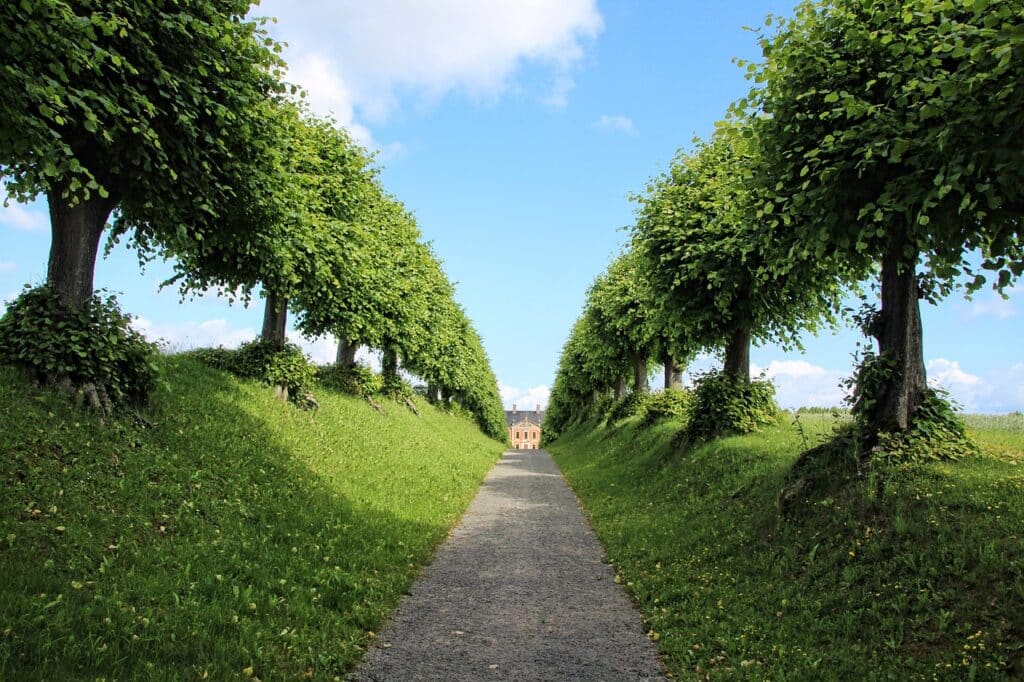
Photo by GregMontani on Pixabay
Pruning Techniques Every Homeowner Should Know
Knowing how to prune your trees and shrubs properly can make all the difference in their health and appearance. Start by removing any dead, diseased, or damaged branches—these are the most urgent cuts to keep your trees healthy and safe. Thinning out branches is another key technique, as it improves air circulation and allows more sunlight to reach the inner canopy, which is vital for strong growth and disease prevention.
For young trees, structural pruning is especially important. By shaping the tree early on, you help it develop a strong structure that can withstand storms and support healthy growth for years to come. Always use the right pruning tools for the job: sharp pruning shears for smaller branches and sturdy lopping shears for thicker limbs. When making cuts, aim just outside the branch collar—the slightly swollen area where the branch meets the trunk—to protect the stem tissue and promote quick healing.
Regular pruning, whether it’s winter pruning during the dormant season or lighter summer pruning, helps maintain tree health and encourages new growth. By following proper pruning techniques, you’ll reduce the risk of disease, prevent the need for drastic cuts later, and ensure your trees remain a beautiful, safe part of your landscape.
Special Considerations: Pruning Apple Trees and Other Fruit-Bearing Trees
Fruit trees, like apple trees, have their own set of pruning needs to ensure both health and productivity. Annual pruning is essential—not just to remove dead or damaged branches, but also to thin out the canopy so sunlight can reach the fruiting branches. This extra light helps boost fruit quality and yield, making your harvest more abundant and delicious.
The best time to prune apple trees and most other fruit trees is during the dormant season, before new growth begins. Pruning at this time helps avoid bleeding sap, which can attract pests and diseases. When removing entire branches or large branches, it’s important to use proper pruning techniques to minimize stress and prevent damage to the tree. For older or overgrown fruit trees, rejuvenation pruning can breathe new life into them by cutting back select branches to stimulate vigorous new growth and restore productivity.
By giving your fruit trees the specialized care they need, you’ll enjoy healthier trees and better harvests for years to come.
Crown Raising and Crown Cleaning: What They Are and Why They Matter
Crown raising and crown cleaning are two essential pruning practices that help keep your trees healthy, safe, and looking their best. Crown raising involves removing lower branches to create more clearance beneath the tree—perfect for opening up walkways, driveways, or simply letting more sunlight reach your lawn and garden. This not only improves the usability of your outdoor space but also reduces the risk of lower branch breaks.
Crown cleaning, on the other hand, focuses on removing dead limbs, damaged branches, and unwanted branches from the upper canopy. This process helps prevent disease, encourages healthy growth, and maintains a strong, attractive structure. Certified arborists use careful planning and proper pruning techniques to ensure that crown thinning, crown reduction, and the removal of crossing branches are done without harming the tree or creating an unnatural appearance.
Avoiding harmful practices like tree topping is crucial—improper cuts can weaken a healthy tree and lead to long-term problems. By investing in crown raising and crown cleaning, you’re helping your trees thrive, reducing hazards, and preserving the beauty of your landscape for generations to come.
When to Prune: A Note on Timing
While we can remove dead or dangerous limbs anytime, the best time for general pruning for most trees is the dormant season, typically in late winter or early spring. It’s important to avoid pruning during extreme cold or frost, as this can be detrimental to plant health. Pruning then minimizes stress and sap loss. Summer pruning is also possible but is usually lighter. I generally advise against fall pruning, as the new cuts may not have time to seal before cold weather sets in. Special cases like apple trees and some flowering trees have their own ideal pruning schedules to maximize fruit and blooms.
For fruit trees, timing is key—pruning certain species like grape vines or fig trees outside of dormancy can cause them to bleed sap, which may weaken the plant or make it more susceptible to pests and diseases.
When pruning flowering trees, timing is especially important to avoid damaging flower buds. Many early bloomers flower on last year's growth, so pruning should be done shortly after blooming to preserve next year's flowers. Some flowering trees that bloom on new growth can be pruned in late spring to maximize blooming potential. Understanding whether to prune on last year's growth or this year's growth is essential to optimize flowering and overall tree health.
Why Professional Tree Pruning Protects Your Home
Hiring a professional is an investment in the health and safety of your property. Improper pruning, especially tree topping, can cause irreversible damage, creating weak attachments that are prone to failure. When homeowners try to remove branches themselves, they often leave behind ugly branch stubs that invite pests and disease. An expert understands how to make the final cut at the branch collar to promote healing and how to work with a tree’s natural growth patterns. Professionals also know the importance of making proper pruning cuts to prevent bark tearing and ensure wounds heal correctly, which is essential for maintaining tree health and structure. Good pruning helps protect people and property by building a stronger, healthier, and more beautiful tree.
My Health-First Approach at Blue Mountain Arbor
When I arrive at your property, my first goal is to understand the complete picture. I look at the soil, the specific tree species, and how the local Shenandoah Valley climate is affecting its health. I always prioritize preservation and will only recommend removal when a tree is beyond saving or poses an unavoidable risk. My focus is on long-term tree health, ensuring your landscape remains safe and beautiful for years to come by using careful, health-first pruning practices to keep each tree healthy.
Service Areas We Proudly Serve
I'm proud to offer my services throughout the Shenandoah Valley, including:
- Harrisonburg, VA
- Staunton, VA
- Waynesboro, VA
- Luray, VA
- Timberville, VA
- Shenandoah, VA
- Rockingham County
- Page County
- Augusta County
Final Thoughts: Your Trees Are in Good Hands
Proper pruning is one of the best things you can do for your trees and your property. It’s proactive care that prevents costly damage, enhances natural beauty, and ensures your trees live long, healthy lives. A seasonal checkup in the winter, early spring, or late summer can catch problems before they become serious.
If you’ve noticed any of these signs around your property, I encourage you to reach out for an inspection. Let’s work together to keep your trees healthy, safe, and beautiful year-round. You can rest easy knowing your property is in skilled, careful hands.