I’ve spent years doing tree work across the Shenandoah Valley, and one thing I’ve learned quickly is that not all tree services are the same. Anyone can buy a chainsaw. That doesn’t make them a tree care professional.
Proper tree care requires knowledge, training, and a deep commitment to safety and ethics. For property owners here in Waynesboro, understanding who you hire matters more than most people realize.
At Blue Mountain Arbor, we approach trees the way a surgeon approaches patients: with precision, respect, and a long-term focus on health. I want to take a moment to pull back the curtain on our industry and explain why choosing a professional, safety-focused team is the best investment you can make for your property.
Tree Care Is a Profession, Not Just a Service
There is a common misconception that tree care is just about "cutting things down." In reality, tree work is physically demanding, highly technical, and often dangerous. It goes far beyond trimming branches or removing trees that are in the way.
When we step onto a property, we aren't just looking at wood to be cut. We are looking at a living system. Professional tree work includes:
- Understanding biology: Knowing tree species, structure, and growth patterns to predict how a tree will react to a cut.
- Technical climbing: Safely climbing trees using ropes and proper equipment to access the canopy without using damaging spikes on live trees.
- Risk assessment: Managing heavy limbs near buildings, power lines, and utilities to ensure zero damage to the surroundings.
- Diagnosis: Identifying pests, diseases, and structural defects that the untrained eye might miss.
- Ethical decision-making: Sometimes the best decision is to do nothing, or to cable a tree rather than remove it.
This is why training and experience matter so much in this industry. A mistake in our line of work doesn't just look bad—it can cause serious injury or significant property damage.
What Does "Professional Arborist" Actually Mean?
You often hear the term Professional arborist thrown around, but what does it actually represent? It isn't just a fancy title. It represents formal education, rigorous testing, and a commitment to ongoing learning through professional organizations like the International Society of Arboriculture (ISA).
A Professional arborist has proven they understand the science of tree care. They have to pass exams covering soil management, safe work practices, pruning biology, diagnosis, and tree risk assessment. Furthermore, certification requires continuing education. We have to stay current with issues like climate change, new invasive pests (like the Emerald Ash Borer or Spotted Lanternfly), and the latest safety standards.
This certification helps ensure that arborists work to protect life, property, and long-term tree health. Not all arborists hold certification, and frankly, not all tree contractors meet these standards.

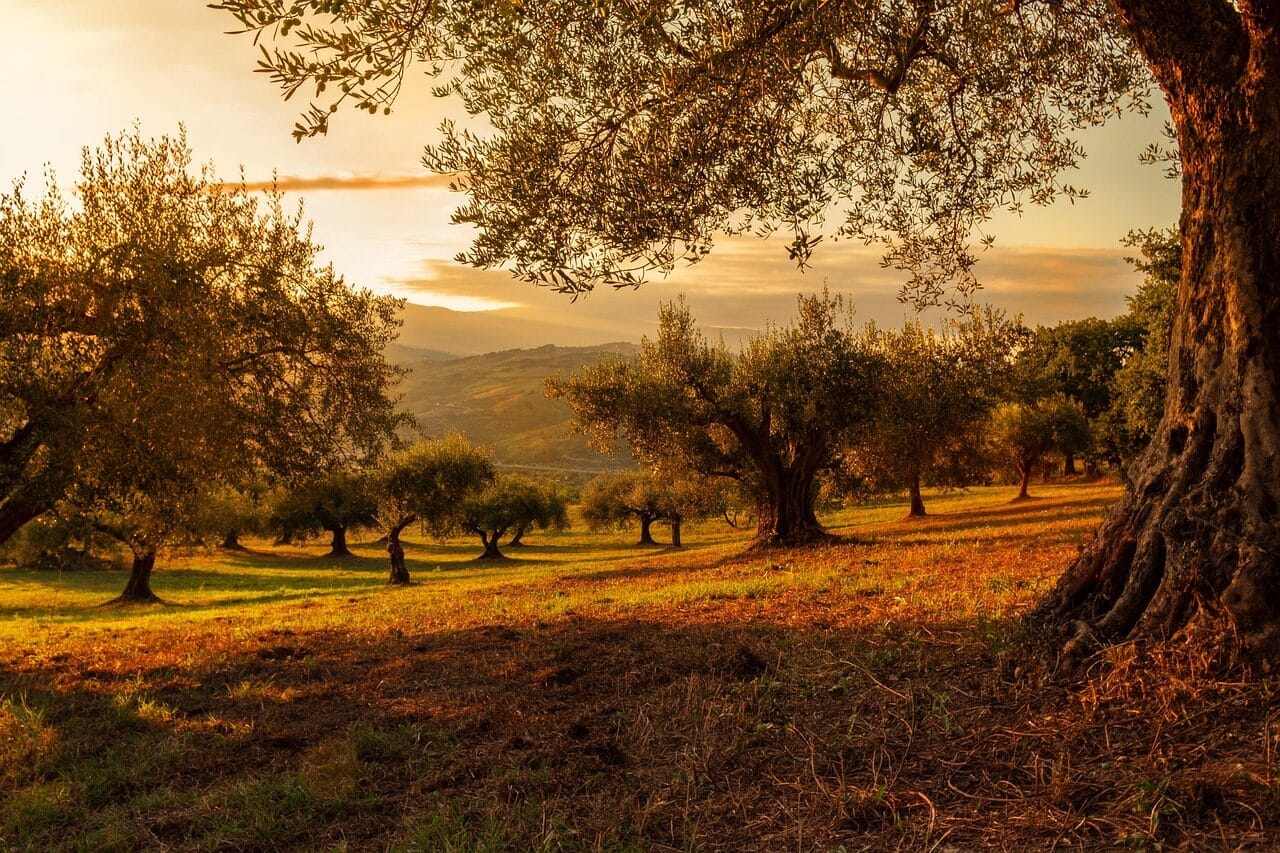
Photo by Simone Dalmeri on Unsplash
Qualified Arborist vs. General Tree Contractor
One of the biggest misconceptions I encounter when talking to clients is the belief that all tree services offer the same level of care. There is a distinct difference between a qualified arborist and a general tree contractor.
A Qualified Arborist Focuses On:
- Proper tree care: We prioritize preservation. If a tree can be saved and made safe, that is our first choice.
- Risk management: We assess the safety of trees around structures and people, looking for hidden defects like root rot or included bark.
- Long-term maintenance: We look at how a tree will grow over the next 10 or 20 years, recommending maintenance on a regular basis to prevent future issues.
- Ethical decision-making: We won't top a tree just because it's cheaper. We follow industry standards (ANSI A300) because we know topping hurts trees and creates future hazards.
A General Tree Contractor Often Focuses On:
- Speed and volume: Their goal is often to get the job done as fast as possible to move to the next one.
- Removal first: Without the knowledge to diagnose health issues, the default answer to any tree problem is often removal.
- Short-term results: They might fix the immediate visual issue, but poor cuts can lead to decay and failure years down the road.
Knowing the difference protects your trees and your investment. I’ve seen beautiful, 100-year-old oaks ruined in an afternoon by improper pruning. It’s heartbreaking, and it’s entirely preventable.
What Makes a Good Arborist?
Certification is crucial, but it’s not the only piece of the puzzle. A good arborist combines technical skills with sound judgment and clear communication.
Traits that define a good arborist include:
- Deep knowledge: Understanding tree health, physiology, and how diseases spread.
- Safety culture: Utilizing helmets, chaps, eye protection, and communication headsets. If a crew shows up in shorts and t-shirts with no safety gear, that’s a red flag.
- Clear communication: We take the time to explain why we are recommending a specific course of action.
- Documentation: We are willing to write reports or provide detailed written estimates.
- Integrity: We will tell you if a tree doesn't need work. We believe in stewardship, not shortcuts.
At Blue Mountain Arbor, we pride ourselves on our transparency. I believe honesty builds trust. While I am currently working toward acquiring my personal arborist certification, our company is built on these high standards. We are members of the International Society of Arboriculture (ISA) and are a TCIA (Tree Care Industry Association) member business with TCIA-Professional staff. This means our work follows professional standards, strict safety protocols, and the best practices in tree care and management.

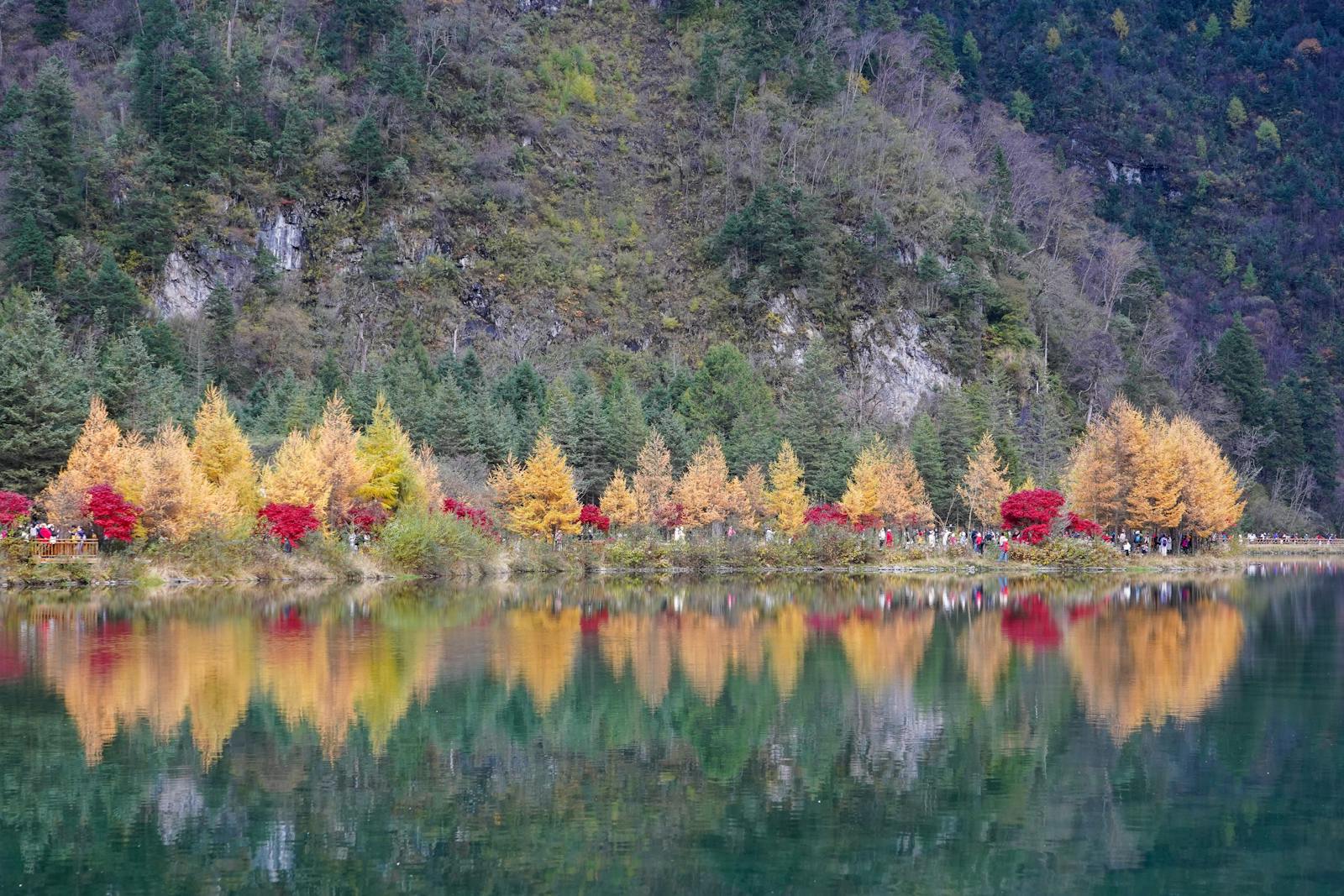
Photo by Federico Bottos on Unsplash
Why Proper Tree Care Protects Your Property
Healthy trees provide shade, beauty, and significant property value. Poorly maintained trees, however, create risk. Whether you are a homeowner, an HOA manager, or a commercial developer, the stakes are high.
Proper care helps prevent:
- Structural damage: Preventing limbs from falling on houses, driveways, and fences.
- Utility conflicts: keeping trees clear of power lines and service drops before the power company has to come in and do a "hack job."
- Spread of disease: Sanitizing tools between trees prevents the spread of fungal and bacterial infections.
- Costly emergencies: Routine inspections can catch a failing tree before a storm brings it down, saving you thousands in emergency removal costs.
Tree planting, pruning, and maintenance done correctly support long-term property protection. It’s about being proactive rather than reactive.
Our Philosophy: Health First, Safety Always
We operate with a "Health First" philosophy. This means we focus on preserving trees whenever possible. Our work is eco-conscious; we handle debris responsibly and often recommend replanting options to maintain the canopy of the Shenandoah Valley.
Whether we are working for a rural landowner managing a large wooded lot or a developer deciding which trees to preserve on a new site, our goal is the same: to enhance natural beauty while ensuring safety.
We offer year-round care because trees don't take the winter off. In fact, winter is often the best time for structural pruning because the leaves are gone, allowing us to see the architecture of the tree clearly.
Choosing the Right Tree Care Professional
When you are ready to hire someone for tree services, don’t be afraid to ask questions. A professional will welcome the scrutiny.
Ask about their:
- Training and certifications: Do they have TCIA or ISA affiliations?
- Insurance: Can they provide proof of liability and workers' compensation insurance?
- Safety practices: How do they plan to protect your lawn and property during the work?
- Approach: Are they interested in tree health, or just removal?
The right professional will have good answers to all of these questions.
Helpful Links and Resources for Tree Care Enthusiasts
Arbor Day Foundation
ArborDay.org | A trusted resource for tree planting guides, care tips, and educational materials. The Arbor Day Foundation also offers tools to help you identify tree species and learn about their unique needs.
International Society of Arboriculture (ISA)
TreesAreGood.org | This site provides science-based information on tree care, including pruning, planting, and maintenance. It’s a great resource for homeowners and professionals alike.
USDA Forest Service
USDA Forest Service Tree Care | The USDA Forest Service offers a wealth of information on tree health, pest management, and urban forestry. Their resources are especially helpful for understanding tree care in different climates.
Tree Care Industry Association (TCIA)
TCIA.org | TCIA provides safety standards, best practices, and educational resources for tree care professionals. They also offer tips for homeowners on hiring certified arborists.
National Wildlife Federation (NWF)
NWF.org | Learn how trees contribute to wildlife habitats and ecosystems. The NWF offers guides on creating wildlife-friendly landscapes and maintaining healthy trees.
Plant Health Care for Woody Ornamentals
University Extension Resources | Many university extension programs provide free, research-based resources on tree care, pest management, and plant health. Check your local extension office for region-specific advice.
Tree Identification and Care App
iNaturalist | This app helps you identify tree species and provides community-driven insights on tree care. It’s a handy tool for both beginners and seasoned arborists.
Schedule a Consultation for Professional Tree Care
If you’re looking for knowledgeable, ethical, and safety-focused tree care in Waynesboro or the surrounding areas, the first step is a conversation. We’re here to help you make informed decisions that protect your trees, your property, and your peace of mind.
Don't wait for a storm to find out if your trees are safe. Contact Blue Mountain Arbor today to schedule a consultation. Let's work together to keep your landscape thriving.