Are you looking for an arborist in Timberville, Virginia?
In a place like Timberville, our trees are part of the community’s character. The mature shade trees that line our streets, the sturdy oaks in our open yards, and the windbreaks on rural properties all contribute to the small-town feel we value. These trees add beauty and value to our homes, but they require proper care to remain safe and healthy for generations.
As a locally owned tree care company serving Timberville and the Shenandoah Valley, I believe trust starts with honesty. So let me be clear: while our company is not yet ISA-certified, our team includes ISA Certified and TCIA-certified professionals. We are proud members of the International Society of Arboriculture (ISA) and the Tree Care Industry Association (TCIA), and our work follows nationally recognized safety and ethical standards.
When choosing any tree care contractor, it is essential to verify licensing, insurance, and training. Reputable companies carry both liability and workers’ compensation coverage to protect homeowners in the event of an accident.
We operate with a health-first philosophy and provide year-round service because trees require consistent attention — not reactive fixes.
Why Professional Tree Care Matters in Timberville
Even in a small town, properties face significant tree risks. Open farmland allows strong storms to move quickly through our area. Heavy ice and snow can overload mature limbs. Many of our favorite shade trees are located near houses, barns, and driveways.
Preventative tree care helps reduce the risk of damage before a storm ever arrives.
Healthy trees also add measurable property value and provide cooling shade during hot summers. Proper management benefits not just one tree, but the overall health of nearby trees on your property. That’s where professional arboriculture differs from basic tree cutting — it focuses on long-term health and structural integrity.
What Makes Certified Arborist Care Different
Not all tree care professionals have the same level of training or experience. In the arboriculture field, ISA Certification has a specific meaning.
An ISA Certified Arborist is an individual who has met experience requirements and passed a comprehensive exam administered by the International Society of Arboriculture. That certification verifies knowledge in areas such as tree biology, pruning standards, risk assessment, pest management, and safe work practices. Candidates must document several years of hands-on experience or a combination of education and field experience before qualifying to sit for the exam.
Certification is not a one-time achievement. Certified professionals are required to complete continuing education to maintain their credentials and stay current with evolving national standards and research.
This credential represents technical competence and a commitment to professional development. It helps homeowners distinguish between general tree workers and individuals who have demonstrated verified knowledge in arboriculture.
While Blue Mountain Arbor is not yet an ISA-certified company, we are proud to have ISA-certified and TCIA-certified professionals on our team. Our work follows the same nationally recognized standards for safety, ethics, and tree health.
Professional tree care goes beyond landscaping. It focuses on structural integrity, disease prevention, and long-term management of woody plants. A trained arborist evaluates a tree’s condition before making a single cut, ensuring that pruning supports balance, strength, and overall health.
Whether certified or not, any reputable company should prioritize preservation over unnecessary removal, use proper climbing and rigging systems, and follow established safety practices. That health-first philosophy guides every job we perform.
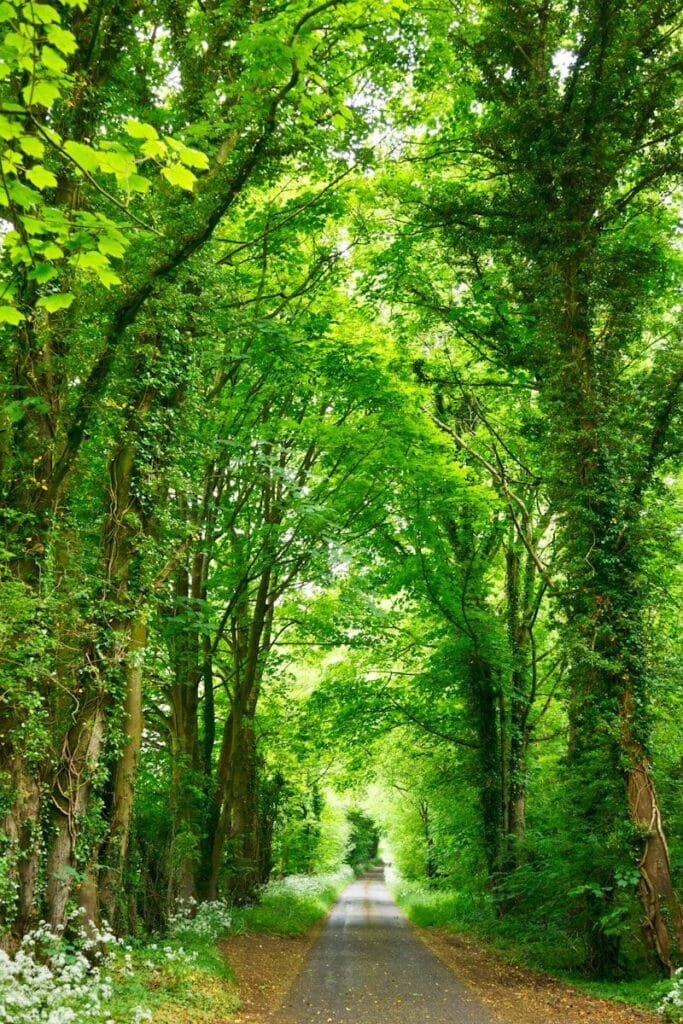
Photo by Studio Dekorasyon on Unsplash
Tree Health Problems That Shouldn’t Be Ignored
Regular assessment is key.
Watch for structural warning signs:
- Cracked or hanging limbs
- Deep trunk splits
- Sudden leaning after a storm
You should also monitor for disease or pest issues:
- Fungal growth at the base
- Thinning canopy during growing season
- Visible insect damage
- Bark separating unexpectedly
Tree work can be dangerous. Professional evaluation helps identify risk before it becomes an emergency.
Trees near power lines or structures should also be assessed early. Often, corrective pruning can resolve the issue before removal becomes necessary.
When to Schedule a Tree Care Visit
The best time to schedule care is before there’s a crisis.
Consider booking an assessment:
- After major storms
- In late winter for structural pruning
- In early spring for health evaluations
- Before starting construction projects
Preventative pruning is typically safer and more affordable than emergency removal.
If you are hiring a contractor, always get two or more estimates. Compare recommendations, not just price. Confirm insurance coverage and ask about training and safety practices.
A reputable professional will explain their recommendations clearly and include thorough cleanup as part of the job.
Tree Maintenance and Pruning
Routine tree maintenance and thoughtful pruning are essential for keeping your trees healthy and your property safe. A knowledgeable tree care professional will thoroughly assess each tree before making any cuts, evaluating structure, signs of pest activity, and potential disease concerns.
Pruning isn’t just about appearance. It’s a science-based practice that supports structural integrity, improves airflow, reduces storm risk, and promotes long-term health. When done correctly, it strengthens the tree. When done improperly, it can weaken it.
Not all arborists have the same level of training or experience. That’s why it’s important to verify credentials, insurance, and professional standards before hiring anyone to perform tree work. ISA certification is one credential homeowners may choose to look for, as it verifies technical knowledge in pruning, tree biology, and risk assessment.
With the right knowledge and technique, pruning can prevent future hazards, protect your property, and help your trees thrive for years to come.
Types of Tree Care Services
Tree care covers a wide range of services designed to protect the health, safety, and long-term stability of your landscape. Every property is different, which is why professional tree work should always start with a proper assessment and a clear plan.
Below are the core services we provide throughout Timberville and the Shenandoah Valley.
Tree Pruning
Pruning is one of the most important services in arboriculture. Strategic pruning improves structure, reduces storm risk, increases airflow, and promotes healthy growth.
We prune with purpose. Every cut is made to support the tree’s long-term health, not just to reduce size. Proper pruning helps prevent limb failure, correct structural imbalances, and protect nearby structures.
Tree Trimming
Tree trimming focuses on managing growth around homes, barns, driveways, and walkways. This service improves clearance, enhances appearance, and reduces safety hazards.
Routine trimming also helps maintain balance and prevents branches from interfering with roofs, siding, or fencing.
Tree Removal
Tree removal is recommended only when preservation is no longer safe or viable. This may include:
- Dead or severely diseased trees
- Structurally compromised trees
- Storm-damaged trees beyond recovery
- Trees posing direct risk to a home or family
Tree removal can be dangerous work. It requires proper equipment, safe climbing systems, and careful planning to protect surrounding property.
Our health-first philosophy means removal is always a last resort.
Stump Grinding
After a tree is removed, the remaining stump can attract pests, interfere with landscaping, or create a trip hazard.
Stump grinding removes the visible stump below grade, leaving the area clean and ready for replanting or lawn restoration.
Storm Damage Response
Storms in the Shenandoah Valley can cause sudden structural damage. Broken limbs, leaning trees, and hanging branches require immediate attention.
We provide safe, controlled removal of hazardous limbs and damaged trees, helping restore safety to your property quickly.
Tree Health Assessments
A thorough tree health assessment allows us to identify potential issues before they become emergencies.
We evaluate:
- Structural integrity
- Signs of disease
- Pest activity
- Soil conditions
- Proximity to structures or power lines
Early detection often allows corrective pruning or targeted treatment instead of full removal.
Pest and Disease Management
Trees can suffer from fungal infections, insect infestations, and environmental stress.
We assess symptoms such as thinning canopy, bark damage, fungal growth, and insect activity. When appropriate and properly licensed, treatment options may include targeted applications or soil management strategies to support recovery.
Tree Planting
Proper tree planting sets the foundation for long-term health. Poor planting depth or soil preparation can shorten a tree’s lifespan.
We assist with species selection, planting location, and proper installation to ensure your new tree establishes strong roots and thrives for decades.
Shrub and Woody Plant Care
Tree care extends beyond large canopy trees. Shrubs and other woody plants also require pruning, structural guidance, and health monitoring.
Proper care improves appearance, prevents overcrowding, and supports overall landscape balance.
Ongoing Property Management Plans
For homeowners with large lots or rural acreage, we offer ongoing management plans that include:
- Scheduled inspections
- Preventative pruning
- Risk assessments
- Seasonal maintenance
Long-term planning protects both tree health and property value.
Consulting and Property Evaluations
For complex properties or construction planning, a detailed evaluation can help determine which trees to preserve, prune, or remove.
We provide professional guidance to support informed decisions that balance safety, aesthetics, and long-term landscape health.
Why Professional Standards Matter
Not all arborists approach tree care with the same training or philosophy. That’s why it’s important to verify insurance, experience, and professional credentials before hiring anyone.
ISA certification is one credential homeowners may choose to look for, as it verifies formal testing and continuing education. While Blue Mountain Arbor is not yet an ISA-certified company, we are proud to have ISA Certified and TCIA-certified professionals on our team, and our work follows nationally recognized safety standards.
Tree care isn’t just about cutting branches. It’s about protecting what matters most—your property, your family, and your trees.
Where to Learn What an Arborist Really Does
If you’re researching tree care, you’ve probably noticed something: the term “arborist” gets used often, but it isn’t always explained clearly.
Understanding what an arborist actually does — and what professional standards look like — can help you make smarter decisions about your property. The good news is, there are respected organizations that define these standards and make reliable information available to homeowners.
If you want clear, trustworthy insight, these are the places I recommend starting.
International Society of Arboriculture
The International Society of Arboriculture sets the global benchmark for arboriculture education and certification.
They outline what professional knowledge should include, from tree biology and soil science to pruning methods and risk assessment. Their consumer website, TreesAreGood.org, is designed specifically for property owners. It explains how certification works, what qualifications mean, and what questions to ask when hiring a tree care company.
If you want to understand the difference between basic tree cutting and professional arboriculture, this resource lays it out clearly.
Tree Care Industry Association
The Tree Care Industry Association focuses on safety and operational standards within the tree care profession.
Tree work involves climbing systems, heavy equipment, and risk management. TCIA helps establish guidelines that protect both workers and homeowners. Their materials highlight why proper training, insurance, and safety procedures are essential — not optional.
Virginia Department of Forestry
For information specific to our region, the Virginia Department of Forestry offers guidance on local tree species, pest pressures, invasive plants, and seasonal stress factors.
Because Waynesboro and the Shenandoah Valley experience unique weather patterns and soil conditions, this regional insight is especially helpful when evaluating tree health issues.
U.S. Forest Service
The U.S. Forest Service provides broader research on urban forestry and the environmental value of trees.
Their work explains how proper tree management supports air quality, stormwater control, and long-term community resilience. Even if you’re focused on your own yard, this research shows how individual trees contribute to something much larger.
University Extension Programs
University extension programs, including Virginia Tech Extension, publish practical, research-backed information on planting techniques, pruning standards, soil management, and disease prevention.
These programs take scientific research and turn it into usable guidance for homeowners and professionals alike.
Why Taking the Time to Learn Matters
When you understand what arboriculture involves, you’re better equipped to protect your property.
Professional tree care isn’t just about removing branches. It’s about evaluating structure, identifying early signs of disease or pest problems, managing risks near homes and power lines, and preserving healthy trees whenever possible.
The more informed you are, the more confident you can feel about the decisions you make for your landscape.
And if you ever want to talk through what those standards look like in real life, we’re always here to walk you through it.
Photo by Ricardo Gomez Angel on Unsplash
Tree Care You Can Count On
I believe in doing the job right the first time. Every Timberville property we work on is treated with care and respect.
You can expect clear scheduling, professional equipment, and dependable follow-through.
If you have concerns about a tree or want to schedule a routine evaluation, contact us through our website. We’re here to provide honest, safety-focused tree care built around long-term health and community trust.