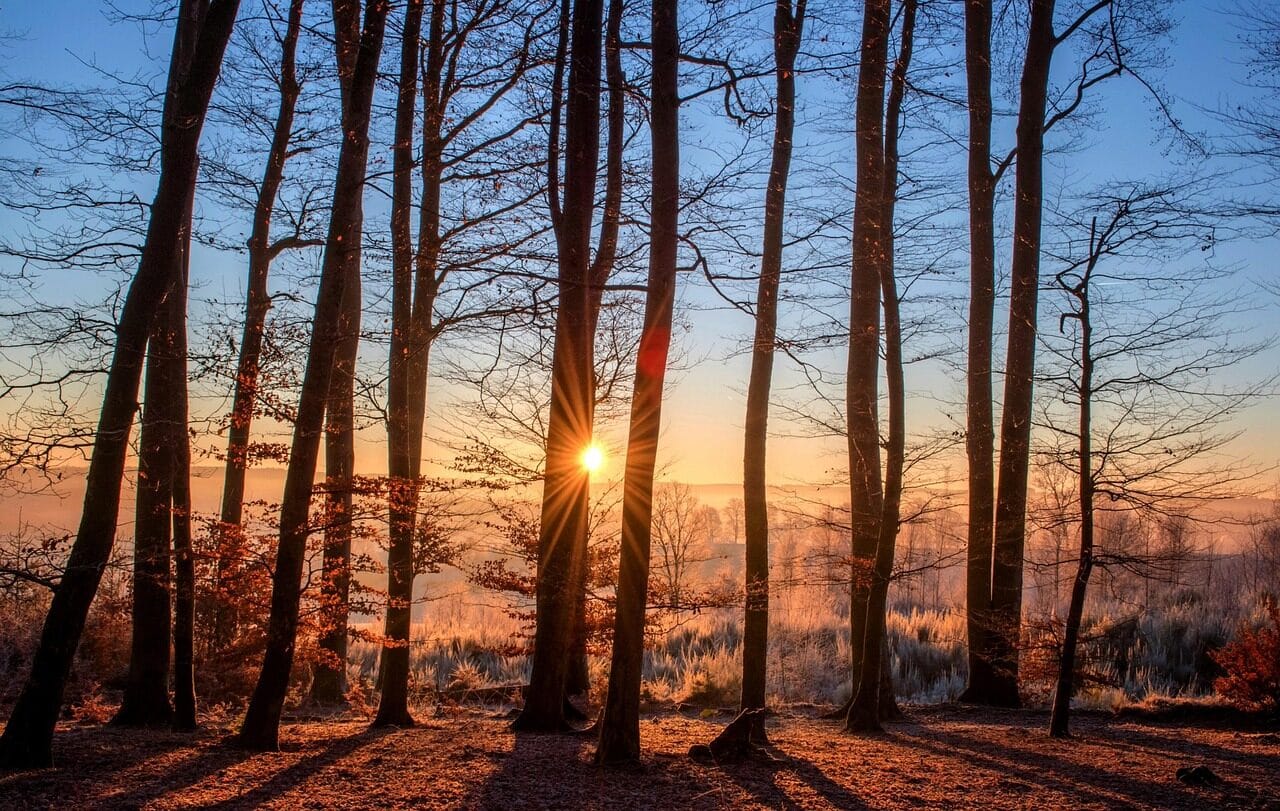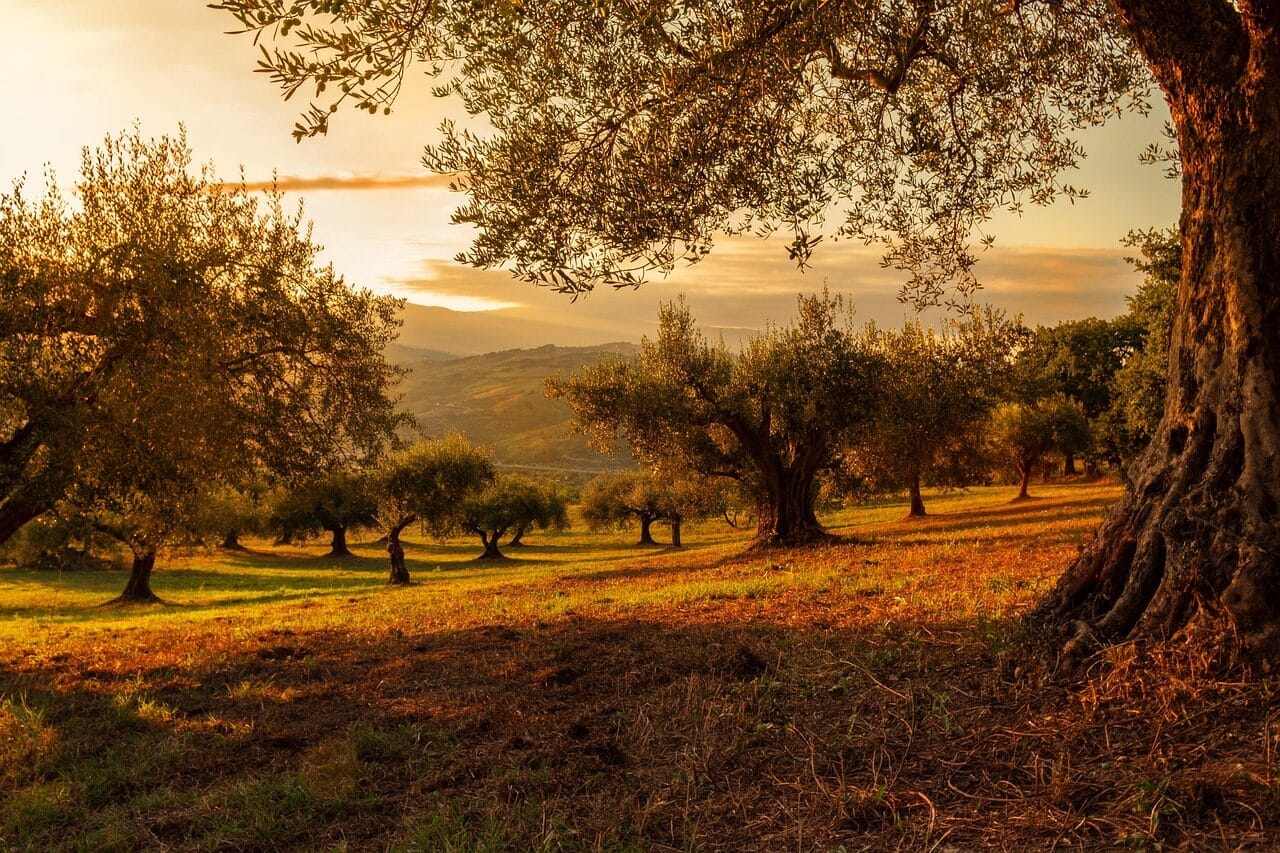

If you live here in Waynesboro, you know our landscape is something special. We have a beautiful mix of established residential neighborhoods, stunning mountain views, and properties lined with mature hardwoods that have stood for decades.
But living in the Shenandoah Valley also means dealing with constantly changing seasons. From heavy spring rains to summer storms rolling off the Blue Ridge, and eventually the weight of winter ice, our local trees face plenty of stress. Arborists help mitigate climate change by maintaining and planting trees that absorb carbon dioxide, improving air quality, and reducing urban heat.
I believe that caring for these trees requires more than just a chainsaw and a truck. Arborists' work is physically demanding, involving hands-on tasks outdoors in all weather, such as climbing, pruning, planting, and ensuring safety. It requires knowledge, respect, and a genuine commitment to doing things the right way.
We are a locally owned tree care company, deeply rooted in this community. I believe trust starts with honesty, which is why I’m transparent about our qualifications. We are proud members of the International Society of Arboriculture (ISA) and the Tree Care Industry Association (TCIA). While our company is still growing toward full organizational certification, we currently have TCIA-certified staff on our team.
Arborists work for a variety of businesses and organizations, including municipalities, power companies, arborist firms, and large companies that do contract work for municipal governments and power companies. This means when we step onto your property, our work is guided by the highest industry standards for safety and ethics.
Our philosophy is simple: health comes first. We focus on preventative care to save trees whenever possible, rather than defaulting to removal. Proper tree care and ongoing maintenance are essential to ensure tree health, safety, and longevity.
In this guide, I’ll walk you through why professional tree care matters here in Waynesboro, what a qualified arborist actually does, and how to spot warning signs before they become emergencies.
Why Tree Care Matters in Waynesboro
Tree care is about more than curb appeal; it’s about safety and long-term asset management. Arborists provide protection for property owners and homeowners by maintaining trees and shrubs on a regular basis, helping to prevent hazards and ensure compliance with local regulations. In our specific region, the climate plays a huge role in how we manage our urban forestry.
Trimming and pruning are essential tasks performed by arborists to protect homes, power lines, and public infrastructure. These practices help prevent trees and shrubs from interfering with public works like power lines, roads, or sidewalks.
Arborists also cut away dead or dangerous branches from trees and bushes that pose a risk to utility lines, roads, sidewalks, and property, ensuring the safety of both homeowners and the general public.
Local Climate and Seasonal Shifts
Our trees go through intense cycles. In spring, we see heavy growth that can weigh down limbs. Summer brings sudden, violent thunderstorms that test the structural integrity of even the healthiest oaks and maples. As fall approaches, leaf drops can hide structural weaknesses like cracks or decay that become dangerous once winter brings ice and snow loading.
A good arborist understands these cycles and times for pruning or cabling to give trees the best chance of withstanding the elements, emphasizing the importance of regular maintenance to help trees endure seasonal weather challenges.
Protecting Homes and Families
Many of us live in neighborhoods with large trees close to our houses. Arborists provide protection for homeowners by assessing and maintaining trees near homes, helping to prevent hazards and ensure safety. Overhanging branches near roofs can damage shingles or gutters, while trees near power lines pose fire and outage risks.
Dealing with these issues proactively is always safer—and usually much cheaper—than calling your insurance company after a storm has dropped a limb on your roof. Regular maintenance and assessment by an arborist is especially important for homeowners to prevent costly damage.
Urban Forestry in Residential Neighborhoods
Even if you just have one or two large trees in your yard, you are part of the local urban forestry ecosystem. Arborists work with property owners to ensure proper tree care, helping to protect your property value and strengthen the entire community by reducing the risk of pests and disease spreading between neighbors.
A good arborist focuses on the holistic health of the tree, not just cutting wood. That’s where working with a knowledgeable professional makes all the difference, as proper tree care and maintenance are essential for the life and health of your trees.
Services a Professional Arborist Provides
Many people think “tree work” just means cutting trees down. While removal is part of the job, a true professional focuses on so much more. There is an important distinction between general tree workers and certified tree care professionals—arborists may work under job titles like tree trimmer, tree climber, ground worker, or line clearance foreman, but certified arborists demonstrate a higher level of expertise and uphold industry standards for tree maintenance and safety.
The practice of arboriculture is a specialized field that requires ongoing research and formal education to ensure the health and safety of trees.
Becoming a certified arborist involves a formal process that includes testing, ongoing education, and adherence to industry standards, with research and formal education playing a key role in professional development. Arborists are trained to diagnose diseases, pest infestations, and nutritional deficiencies, as well as to identify structural weaknesses that are invisible to the untrained eye.
What a Certified Arborist Actually Does
An ISA Certified Arborist is often compared to a doctor for your landscape. Earning that credential requires years of documented experience, formal education, and passing a comprehensive written exam administered by the International Society of Arboriculture. Certification also requires ongoing professional development and adherence to a strict Code of Ethics.
In other words, it is not just a title. It represents a verified level of knowledge in tree biology, soil science, pruning techniques, risk assessment, and safe work practices.
That is the standard we believe tree care should meet.
When we step onto a property, we approach every assessment with that same level of discipline and technical understanding. We evaluate tree health and structure, looking for issues an untrained eye might miss. We identify disease, diagnose pest problems, and determine the long-term viability of a tree before recommending action.
Climbing and rope systems are essential parts of professional tree work. Safe ascension, proper rigging, and controlled limb removal require both physical skill and a deep understanding of wood structure and weight distribution. Equipment must be properly maintained, and safety protocols must be followed at all times.
Technical competence matters. Not all arborists have the same level of training or commitment to continuing education. The International Society of Arboriculture offers multiple certification pathways for professionals at various experience levels, all centered around advancing knowledge and raising industry standards.
At Blue Mountain Arbor, we are proud ISA members and have certified staff on our team. More importantly, our work is guided by the same national standards for safety, ethics, and professional development that define the certification process. Every consultation reflects that commitment to knowledge, precision, and proper care.
Core Tree Services We Provide
Here is a breakdown of the services qualified arborists provide to keep your landscape thriving:
- Planting: We use proper planting techniques to ensure new trees establish strong roots and thrive, supporting urban greening and environmental benefits.
- Trimming: Regular trimming promotes tree health, improves appearance, and prevents hazards near power lines and sidewalks.
- Pruning: We prune for structure, safety, and healthy growth—never “topping” trees, which ruins their health.
- Tree Removal: When a tree is dead, dying, or structurally unsound, we perform safe, controlled removal. Removing trees requires technical skill and safety precautions; climbing spikes are only used for removing trees, as they can damage healthy ones.
- Stump Grinding: We handle the debris management and grind stumps to leave your lawn clean and usable.
- Storm Response: When emergencies strike, we offer rapid response to clear hazards safely.
- Health Assessments: We create management plans to address soil issues, pests, or diseases.
- Care for Woody Plants: Our expertise extends to shrubs and other woody plants, ensuring your entire landscape is healthy.
Ongoing maintenance is essential for tree longevity and safety, including regular health monitoring, disease treatment, and proper care in all services provided.
We always use proper equipment and safety-driven approaches. Arborists utilize a variety of other equipment, such as trucks, tractors, chippers, power saws, and sprayers, to perform daily tasks efficiently and safely. Whether we are rigging a massive limb over a driveway or pruning a delicate ornamental, we protect your house and the surrounding landscape.
Signs Your Trees Need Attention
You don’t always need an expert to tell you something is wrong. Often, your trees will show you signs of distress. However, it is important to have your trees assessed by a professional arborist on a regular basis, as they can identify structural weaknesses that are invisible to the untrained eye. Knowing what to look for can help you call us before a small issue becomes a massive liability.
Visible Structural Concerns
Take a walk around your property. Do you see cracked or hanging limbs? Are there large dead branches (we call these “widow makers”) suspended in the canopy? If a tree is leaning significantly after a storm, or if you see a splitting trunk, call a professional immediately, as proper tree care and regular maintenance by a certified arborist are essential in preventing such structural issues.
Health Warning Signs
Trees communicate stress through their leaves and bark, and identifying tree diseases early is crucial for maintaining healthy trees. Arborists play a key role in diagnosing and treating tree diseases, pest infestations, and nutritional deficiencies. Look for discolored leaves out of season, thinning canopies, or premature leaf drop. Fungal growth at the base of the trunk often indicates root rot or internal decay. Similarly, rows of insect holes in the wood can signal that pests have moved in.
Environmental Risk Factors
Sometimes the tree is healthy, but the location is the problem. Trees growing into power lines or roots lifting sidewalks require careful management.
Construction projects near root zones can also silently kill a tree years before it falls. Early assessment allows us to protect your house and family while preserving the tree whenever possible, and highlights the importance of ongoing protection and maintenance to ensure tree health and safety.
Choosing the Right Arborist
Hiring a contractor to work on your property is a big decision. The tree care industry can be dangerous, and unfortunately, it attracts some unqualified operators. It is essential to hire qualified tree care professionals and verify an arborist's certification status through the ISA 'Verify a Credential' tool to ensure they meet industry standards.
Most reputable arborists hold credentials from the International Society of Arboriculture (ISA), and becoming a certified arborist involves a formal process of testing, ongoing education, and adherence to professional standards.
When hiring an arborist, always request a detailed written contract outlining the scope of work, total cost, and cleanup policies, confirm that they carry both General Liability and Workers' Compensation insurance, and ask for references from previous clients to assess the quality of their work. Here is how to ensure you are hiring a professional.
Get Two or More Estimates
It is always smart to get multiple perspectives. However, don’t just compare the bottom-line price. Compare the recommendations. When evaluating estimates, also compare the qualifications and certifications of the tree care professionals involved, and understand the process of certification that arborists undergo, which includes formal testing, ongoing education, and adherence to industry standards.
If one company suggests removing a tree that another says can be saved, ask why. A qualified arborist should be able to explain their reasoning clearly in plain English.
Questions to Ask When Hiring
To verify you are working with professional arborists, ask these questions:
- Are you insured for liability and workers’ compensation?
- What training and certification does your team possess?
- Can you explain the process of becoming a certified arborist and how you maintain your credentials?
- Are you a member of the ISA or TCIA?
- What safety practices do you follow?
- Will professional cleanup be included in the quote?
What Sets Us Apart in Waynesboro
At Blue Mountain Arbor, we differentiate ourselves through our commitment to health and honesty. We are locally owned and understand the Shenandoah Valley soil and climate better than national chains.
Our health-first philosophy means we will never recommend removing a tree just to make a quick buck. We are dedicated to proper tree care and ongoing maintenance, ensuring your trees receive the attention they need for long-term health and safety.
With our ISA and TCIA memberships and our TCIA-certified staff of tree care professionals, we offer the technical knowledge you need with the approachable service of a neighbor. We pride ourselves on clear scheduling, dependable communication, and leaving your yard cleaner than we found it.
Resources to Better Understand What an Arborist Is
If you’ve ever wondered what truly separates a professional arborist from someone simply offering tree trimming, you’re not alone. The tree care industry can be confusing. Many companies use similar language, but the level of training, standards, and knowledge behind that language can vary significantly.
When I encourage homeowners to educate themselves, I always point them toward reputable, research-based organizations that clearly define professional tree care standards.
Here are some of the most trusted resources available.
International Society of Arboriculture (ISA)
The International Society of Arboriculture is the leading global authority on arboriculture. They establish certification standards, publish peer-reviewed research, and set benchmarks for professional tree care.
Their consumer website, TreesAreGood.org, is especially helpful for property owners. It explains what arborists are trained to do, what certification actually means, and how to responsibly evaluate a tree care company.
If you want to understand the science behind proper pruning, risk assessment, and tree biology, this is the gold standard.
Tree Care Industry Association (TCIA)
The Tree Care Industry Association focuses heavily on safety practices and professional operations within the tree care industry.
Tree work is one of the most physically demanding and high-risk trades in the country. TCIA provides guidance on proper equipment use, safety systems, and industry best practices that protect both workers and property owners.
Their resources help homeowners understand why training and safety standards matter just as much as price.
Virginia Department of Forestry
For region-specific information, the Virginia Department of Forestry offers valuable guidance on tree health, pests, invasive species, and local environmental conditions.
Because Staunton, Waynesboro, and the Shenandoah Valley have unique species and seasonal stressors, this resource is especially useful for understanding what impacts trees in our area.
U.S. Forest Service
The U.S. Forest Service provides broader research on urban forestry, the environmental benefits of trees, and national best practices in tree management.
While their scope is large-scale, the science applies directly to residential and commercial properties. Their work helps explain why proper tree care contributes to air quality, stormwater management, and overall community health.
University Extension Programs
Land-grant universities, such as Virginia Tech Extension, publish research-backed material on soil health, pruning standards, pest management, and tree preservation techniques.
These programs bridge the gap between academic research and real-world application. They make complex tree science practical and accessible for homeowners and professionals alike.
Why This Matters for Property Owners
Understanding what an arborist is — and what proper tree care truly involves — protects you as a homeowner.
Professional arboriculture is not just about cutting branches. It is about assessing risk, preserving long-term tree health, protecting nearby structures, and making informed decisions backed by science.
The more informed you are, the easier it becomes to choose a tree care company that values safety, education, and the long-term health of your landscape.
And if you ever have questions about standards, credentials, or what professional tree care should look like, we are always happy to walk you through it. An educated client is our favorite kind of client.
Protecting What Matters Most
Your trees are valuable assets. They provide shade, beauty, and character to your home. But without proper care, they can become liabilities. Protection and maintenance are essential to ensure the life and health of your trees—regular pruning, health monitoring, and safeguarding measures help them thrive for years to come. I approach every job with precision, respect, and a long-term view because I know that my work affects your safety and your property value.
If you are concerned about a tree on your property or just want to ensure your landscape is ready for the next season, don’t wait for a storm to force your hand.
Schedule a consultation with Blue Mountain Arbor today. Let us provide the honest, expert assessment you need to keep your outdoor spaces beautiful, safe, and thriving. Contact us through our website to get started.