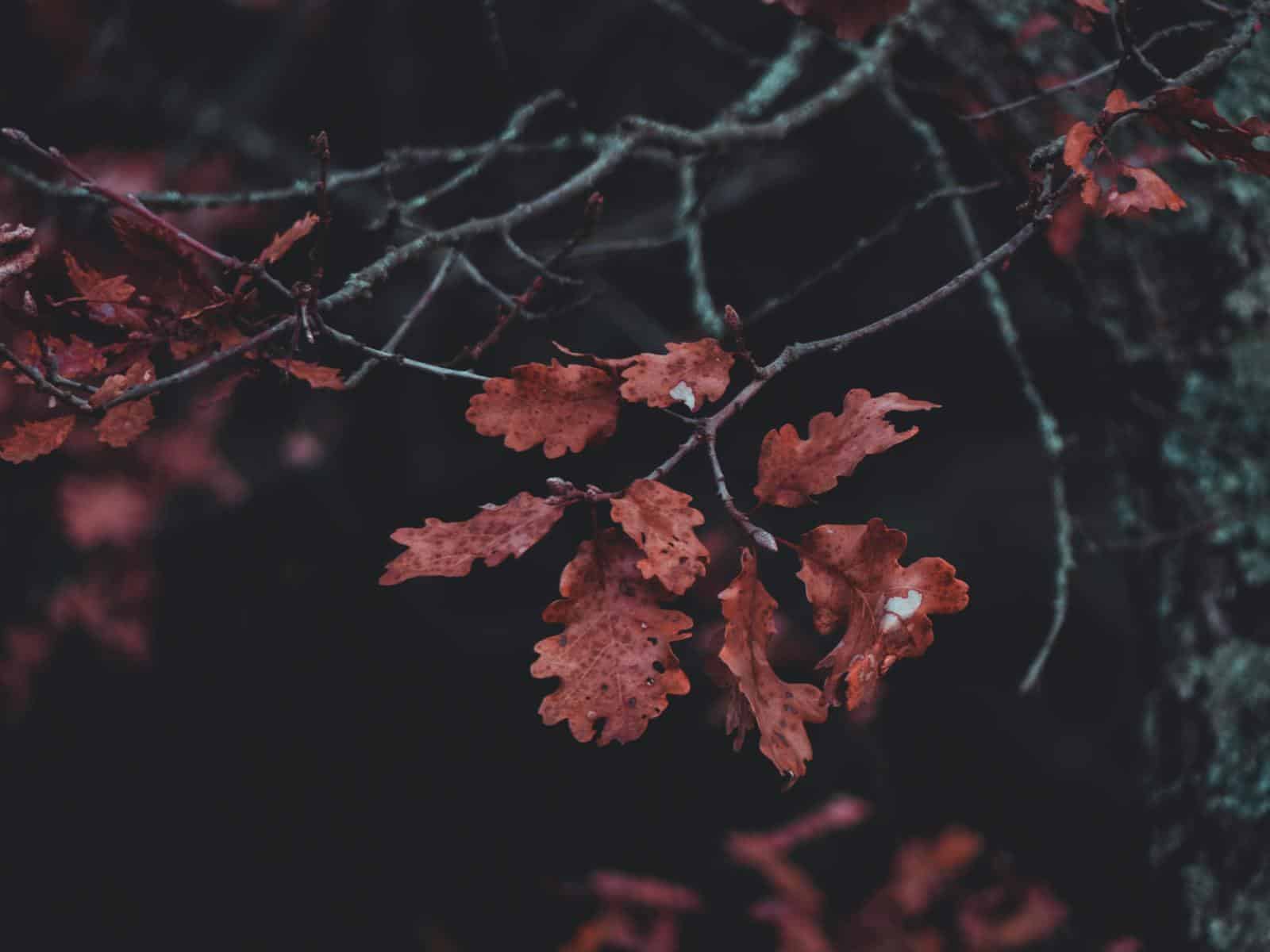
Growing up in the Shenandoah Valley, you develop a deep appreciation for the giants that watch over our landscape. Of all the native species that define our region, few command respect quite like the northern red oak. Northern red oak is native to eastern and south-central North America. To me, these aren’t just plants; they are pillars of our ecosystem, providing shade for our homes, shelter for wildlife, and a stunning russet red display every autumn.
At Blue Mountain Arbor, we don’t just look at trees as obstacles to be managed or removed. We treat them like living systems. Our philosophy is rooted in preservation and health-first care. I’m not a certified arborist yet—I’m currently working hard to acquire that certification—but our business is a proud member of the ISA and TCIA, with TCIA certified staff on our team.
We believe in caring for trees with the same precision a surgeon uses for patients. Red oaks are often found in local woodlands alongside other important species from the beech family (Fagaceae), highlighting their ecological associations and the diverse woodland composition of our region.
Proper care for your red oak trees isn’t just about curb appeal. It’s about protecting your property value and ensuring safety. A healthy oak is a resilient asset; a neglected one can become a liability during a storm. In this guide, I want to walk you through exactly how to care for these magnificent trees so they can thrive for generations to come.
Understanding the Northern Red Oak (Quercus rubra)
The northern red oak (Quercus rubra) is a standout among tree species in eastern North America. If you have one on your property, you likely know it by its impressive stature. It is a large tree, often growing straight and tall with a broad, rounded crown that provides dense foliage and exceptional shade. Northern red oak trees can reach a mature height of 60 to 75 feet and can live up to 400 years under favorable conditions.
What makes the northern red oak unique? It’s one of the faster-growing oaks, which is why it’s such a popular choice for homeowners and developers alike. You can identify it by its bark, which features shiny stripes down the center of the ridges on mature trees—often described as looking like ski tracks on a dark gray slope.
The leaves are another giveaway. They are dark green in the summer, turning a brilliant reddish brown or bright red in the fall. Unlike some other oaks that hold onto their dead leaves through winter, the northern red oak typically drops its leaves cleanly, revealing a strong architectural form against the winter sky.
The northern red oak is monoecious and wind-pollinated, producing both male and female flowers on the same tree. The male flowers appear as slender catkins, while the female flowers are small spikes. These flowers emerge in spring, usually just before or as the leaves unfold, and play a crucial role in seed production and dispersal.
Why Red Oak Trees Thrive in Our Region
There is a reason the northern red oak grows so well here in the Shenandoah Valley. Our region provides the ideal mix of soil moisture and climate conditions that this species craves. Northern red oak (Quercus rubra) is native to a broad range, stretching from the Great Lakes and northeastern US as far east as Nova Scotia and the Gaspé Peninsula, and south to Georgia and Alabama.
These trees prefer full sun and well drained, slightly acidic soil—conditions that are abundant in the deciduous forests and landscapes of the northeastern United States and down into our valley. Northern red oak also prefers well-drained, rich, woodland sites for optimal growth.
While they are hardy, they are also sensitive to their environment. They thrive deep in sandy or loamy soils where their roots can spread. Small areas with specific soil types or topography can influence the growth and habitat suitability for northern red oak. During the growing season, consistent moisture helps them maintain that lush, dark green canopy. However, they are tough enough to handle our colder winters and hot, humid summers, making them a resilient choice for local properties.
Northern red oak is tolerant of air pollution and salt, making it a good choice for urban environments.
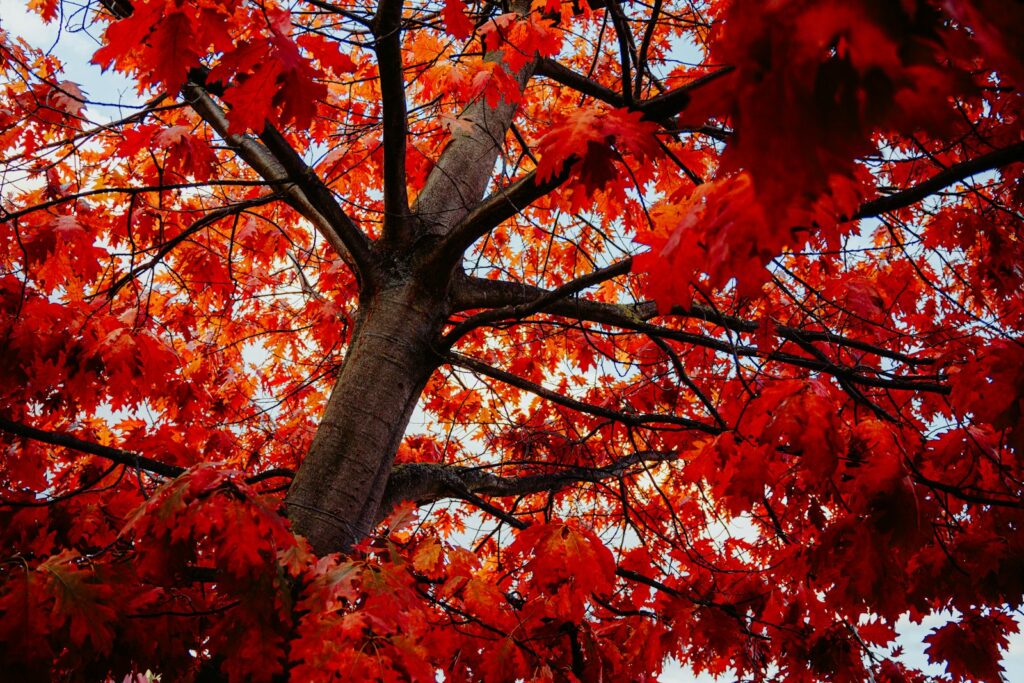
Photo by Aleksey Parakhnevich on Unsplash
Choosing the Right Tree for Your Property
Selecting the right tree species for your Shenandoah Valley property is a decision that pays off for decades. The northern red oak (Quercus rubra) stands out as a top choice for homeowners who want a tree that combines beauty, resilience, and ecological value.
Known for its brilliant fall color and dense foliage, this fast-growing oak provides ample shade and a striking presence in any landscape. As an important lumber species, the northern red oak is valued not only for its wood but also for its good form and adaptability to a range of soil types.
If you’re looking to attract wildlife, the northern red oak is a magnet for small rodents and deer, thanks to its abundant acorns and sheltering branches. Its foliage creates a lush, green canopy in summer, turning to a show-stopping russet red in autumn. Whether you’re planting a solitary specimen or adding to a grove, this species offers both immediate curb appeal and long-term benefits for your property and the local ecosystem.
Planting Red Oak Trees: Best Practices for Success
Getting your northern red oak seedlings off to a strong start is all about location and technique. Choose a spot that receives full sun and has well-drained soil—these trees thrive when their roots have room to spread deep and wide. When planting, dig a hole twice as wide as the root ball and just as deep, ensuring the roots aren’t crowded or bent. Gently set the seedling in place, backfill with soil, and tamp down to eliminate air pockets.
Water thoroughly after planting to help the roots settle in. Remember, northern red oak trees can grow tall—up to 60-75 feet—so give them plenty of space away from buildings and overhead wires. With the right care, your seedlings will develop thick branches and a robust root system, setting the stage for a healthy, long-lived tree that will grace your property for generations.
Proper Pruning for Red Oak Tree Health and Safety
Pruning a red oak tree requires more than just a chainsaw and a ladder; it requires knowledge of forest science and tree biology. At Blue Mountain Arbor, we prune for structure, safety, and longevity.
We never recommend "topping" a tree. Instead, we focus on removing dead, diseased, or crossing branches that could cause future failure. For red oaks, timing is absolutely critical. The best time to prune is during the dormant season—typically late fall or winter. Pruning during the active growing season (spring and summer) releases sap that attracts beetles carrying oak wilt spores, a deadly fungal disease.
When we prune, we use precision techniques. We look for good form, ensuring a strong central leader and well-spaced scaffold branches. Whether we are trimming a young tree to establish structure or removing a heavy limb from a mature giant over a roof, our goal is always to minimize stress on the tree while maximizing safety for your property.
Watering and Irrigation Tips for Red Oaks
Consistent watering is key to the healthy growth of northern red oak trees, especially during their first year in the ground. Newly planted red oaks need about 1 inch of water per week, whether from rainfall or supplemental irrigation, to establish strong roots and support vigorous growth. As your tree matures, it will become more tolerant of dry spells, but maintaining adequate soil moisture during hot, dry periods is still important.
Aim to provide about one half to one quarter of the tree’s water needs through irrigation, letting natural rainfall do the rest. Be careful not to overwater, as soggy soil can increase the risk of diseases like oak wilt. Instead, check the soil moisture regularly and adjust your watering schedule as needed to keep your northern red oak thriving through every season.
Common Red Oak Diseases and Insects to Watch For
While the northern red oak is robust, it isn't invincible. The biggest threat we watch for is oak wilt. This aggressive fungal disease clogs the water-conducting vessels of the tree, causing leaves to wilt and turn brown rapidly, often starting at the top of the canopy. Because red oaks are in the red oak group (along with black and pin oaks), they are highly susceptible and can die within weeks of infection.
We also keep an eye out for the red oak borer. The larvae of this beetle tunnel into the wood, weakening the tree physically and creating entry points for decay. You might see sawdust or sap weeping from the bark as a sign of infestation.
Stress is the enemy here. Trees stressed by drought, compacted soil, or construction damage are far more likely to succumb to insects and disease. If you notice your tree thinning prematurely or see dieback in the upper branches, it's time to call us for a health assessment.
Red Oak Roots, Soil, and Long-Term Growth
What happens underground is just as important as what happens in the canopy. A northern red oak grows a deep, spreading root system. In fact, the roots often extend well beyond the dripline of the branches.
This is why soil care is vital. Compaction from heavy machinery or even heavy foot traffic can suffocate roots. Red oaks need "breathing room" in the soil to absorb water and nutrients. During construction or landscaping projects, we always advise clients to fence off the root zones of their mature trees. Once the soil is compacted or roots are severed, it is very difficult for a large tree to recover.
If your tree looks stressed, we often look at the soil first. Is it too dry? Is it lacking organic matter? Sometimes, simple soil amendments or vertical mulching can revitalize a declining giant.
Protecting Red Oak Trees from Damage
Northern red oak trees are tough, but they’re not immune to threats from pests, diseases, and wildlife. The red oak borer and oak wilt are two of the most serious concerns in our region, so it’s important to keep your trees healthy with regular watering, proper fertilization, and timely pruning. Inspect your trees often for signs of insect activity or disease—early detection is key to effective treatment.
Physical damage from insects, deer, and other wildlife can also take a toll, especially on young trees. Consider installing tree guards or using repellents to deter browsing and prevent bark injuries. By staying proactive and attentive, you’ll help your northern red oak trees maintain their brilliant fall color and strong structure, ensuring they remain a vibrant part of your landscape for years to come.
Acorns, Seedlings, and Natural Regeneration
If you have a mature red oak, you are familiar with its fruit: the acorn. Northern red oak acorns are large, with a shallow, thin cap that barely encloses about one-quarter of the nut. They take two years to mature, and acorn maturation and seedling emergence occur in specific seasons.
Sprouting stems can originate from the base of the tree, especially after cutting or damage. Northern red oak acorns require a minimum of three months' exposure to temperatures below 4°C (40°F) to germinate. Northern red oak seedlings have a high mortality rate in regions prone to spring freeze, which affects their population dynamics.
Acorns are a primary food source for blue jays, wild turkeys, squirrels, small rodents, whitetail deer, raccoons, and black bears. The acorns are consumed by many animals, aiding in seed dispersal, although many are also lost to predation. Northern red oak trees can be grown from acorns, which can be collected in autumn and processed for planting.
These animals play a huge role in planting the next generation. Squirrels bury acorns and often forget them, allowing northern red oak seedlings to sprout in unexpected places. While natural regeneration is beautiful, not every seedling is in a good spot.
We often help property owners manage these volunteers. A seedling growing three feet from your foundation isn’t a future shade tree; it’s a future foundation problem. We can identify which seedlings have good form and are in a safe location to grow, and which ones should be removed or transplanted.
Red Oak vs Other Oak Species on Your Property
It can be confusing to tell oaks apart. In our area, you might also see white oaks or chinkapin oak trees.
The chinkapin oak (Quercus muehlenbergii), for example, prefers alkaline soils and has leaves that look more like chestnuts with saw-toothed edges. White oaks have rounded lobes on their leaves, whereas red oaks have pointed, bristle-tipped lobes.
Northern red oak can also hybridize with other species in the red oak group and related oaks, which sometimes makes identification even trickier.
Why does this matter? Different oaks have different needs. White oaks are generally slower growing but longer-lived and more resistant to oak wilt.
Red oaks are fast growing and provide that classic, upright shade tree look sooner. Understanding specifically which species you have—whether it’s Quercus rubra or another species—helps us tailor a care plan that fits that tree’s specific biology.
When Red Oak Tree Removal Becomes Necessary
At Blue Mountain Arbor, removal is always our last resort. We want to save trees whenever possible. However, safety is our top priority.
A red oak tree may need to be removed if:
- It has advanced heart rot or structural instability that poses a risk to a home or road.
- It has succumbed to oak wilt (to prevent the spread to neighboring trees via root grafts).
- It has suffered severe storm damage that cannot be corrected by pruning.
When removal is necessary, we handle it with extreme care. We use specialized equipment to dismantle the tree piece by piece, ensuring no damage is done to your landscape.
Afterward, we can grind the stump and even leave you with mulch or firewood, keeping the resource on your property.
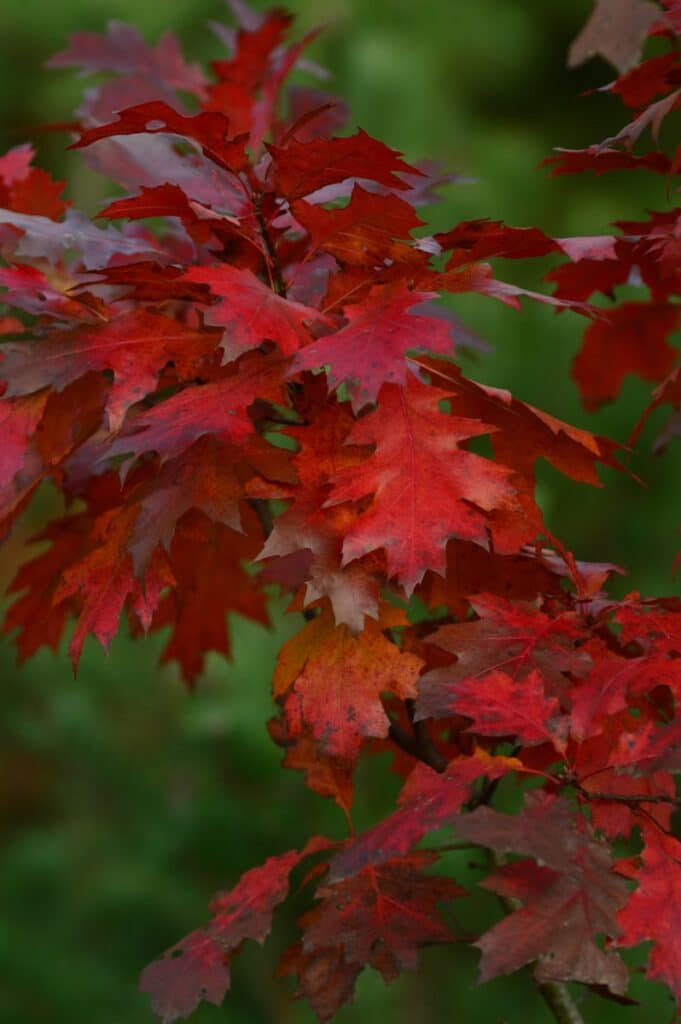
Photo by Olena Bondarovska on Unsplash
How We Care for Red Oak Trees at Blue Mountain Arbor
Our process is simple and transparent. It starts with a conversation. We walk your property with you, listening to your goals. Are you worried about a branch over the garage? Do you want more sunlight for your lawn?
We perform a thorough health assessment, looking at everything from the root flare to the highest twig. If pruning is needed, we schedule it for the appropriate season, though timing can vary depending on weather and tree species. If we find pests, we discuss treatment options.
If you are interested in adding a red oak tree to your landscape, northern red oak trees are available for purchase from various plant nurseries and online retailers.
Shipping times and availability may vary by season and supplier. These trees are often sold with options for warranties and care instructions to help you successfully plant and establish them.
We pride ourselves on communication. You will know exactly when we are coming, what we are doing, and what it will cost. And when we leave, your yard will be cleaner than we found it. We are neighbors serving neighbors, and we want you to feel confident in our work.
Final Thoughts: Protecting Red Oaks for the Next Generation
The northern red oak is a legacy tree. The one planted today will shade your grandchildren. Caring for these trees is a long-term commitment, but the rewards—beauty, shade, wildlife, and property value—are immense.
Don't wait until you see dead branches on the ground to think about tree care. Proactive maintenance is cheaper and more effective than reactive emergency work.
Protect the health and safety of your red oak trees.
If you're unsure about pruning needs, disease concerns, or long-term care, we're here to help. Reach out to Blue Mountain Arbor today to schedule a professional tree assessment and keep your property safe and thriving year-round.