Are you looking for tree stump removal?
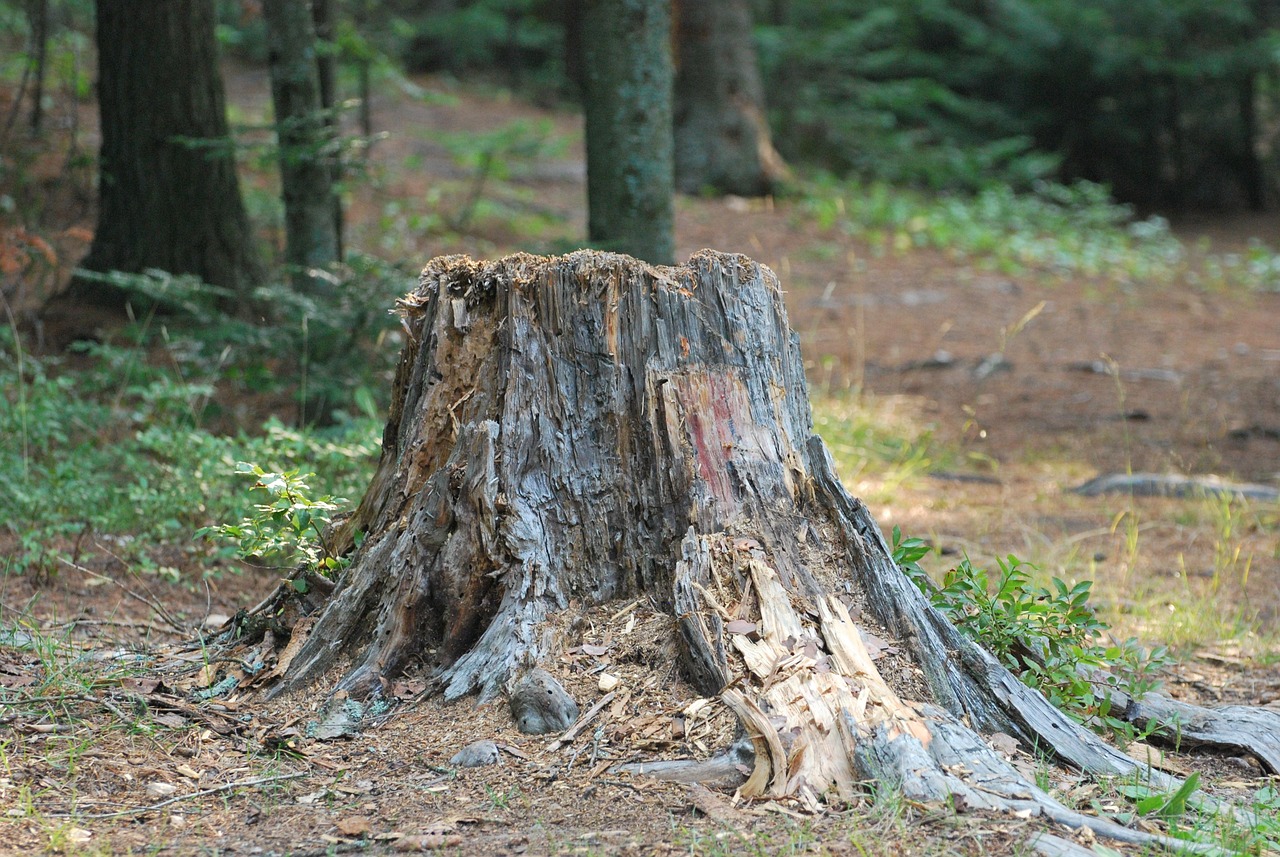
Imagine this: You’ve just had that leaning pine in the backyard taken down. The heavy lifting is done, the chainsaw noise has faded, and the big limbs have been hauled away. But as you look out at your newly opened space, something is still there—a jagged, ankle-high stump sticking out of the ground like a sore thumb.
It’s easy to think the job is finished. After all, the dangerous part of the tree is gone, right? But here in the Shenandoah Valley, leaving a stump behind is often a decision homeowners regret a few months or years down the line.
At Blue Mountain Arbor, we believe that true tree care doesn't stop when the tree hits the ground. The final step—removing that stump—is crucial for protecting your yard, your soil, and the long-term health of your property.
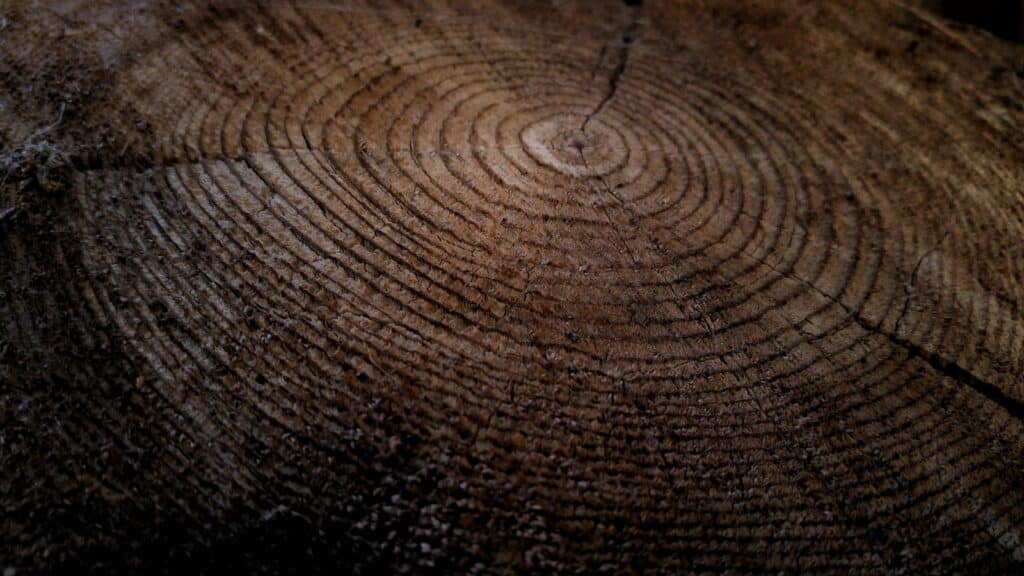
Photo by Gabriel Jimenez on Unsplash
Why You Should Remove a Tree Stump Instead of Letting It Decay
It can be tempting to let nature handle things after a tree cut. We see it all the time. A homeowner decides to leave the entire stump behind and hope it will naturally decay. While that sounds simple, the reality is very different. Decay takes years, not weeks, and during that time the stump quietly creates problems in your yard.
Even small stumps can cause trouble. The stump diameter and how deep the dead wood and roots go into the ground both matter. Some people try to drill holes, pour chemicals, or pull at the stump with equipment they have on hand. There are several ways homeowners attempt this, but the effectiveness is usually low and the time investment is high. We’ve seen plenty of DIY methods that promise fast results in videos or online data, only to leave behind a half-rotted log and compacted soil.
As a stump breaks down, it starts to attract pests. Carpenter ants, termites, and other pests are drawn to decaying wood, especially when moisture sets in. Once they find a home in the stump, they don’t always stay there. That’s when a yard problem can turn into a house problem.
There’s also a safety issue. As the wood collapses underground, voids can form beneath the surface. These hidden holes are easy to miss and can lead to twisted ankles, damaged lawn equipment, or worse. What starts as a stump you barely notice becomes a hazard you didn’t see coming.
Professional stump removal services exist for a reason. They save time, reduce risk, and fully address the problem instead of dragging it out for years. Removing the stump properly clears the ground, protects your soil, and lets you move forward without worrying about what’s happening beneath the surface.
Stump Grinding vs. Manual Stump Removal: What’s the Difference?
When we talk about getting rid of a stump, we usually recommend stump grinding. This is the gold standard in the industry for a reason.
Stump grinding involves using a specialized machine to chew the wood down below ground level. It turns the stump into wood chips, effectively erasing it from your landscape without leaving a massive crater.
Compare this to manual removal. Digging out a stump by hand is back-breaking work. It involves shovels, axes, and often a lot of frustration as you fight against an intricate root system that refuses to let go. Chemical removers are another option homeowners try, but they take months or years to work and introduce harsh substances into your soil.
For efficiency, safety, and minimal disruption to your surrounding lawn, grinding is simply the superior choice.
How a Stump Grinder Works and Why Professionals Use One
A stump grinder is a powerful piece of equipment, and operating one requires skill and respect for safety. The machine features a heavy, rotating steel wheel with carbide teeth. As the wheel spins at high speed, we sweep it back and forth across the stump, grinding the wood into small chips.
The process is surprisingly precise. We can grind the stump down several inches deep—usually 4 to 12 inches below the surface—ensuring that the visible portion is completely gone. This depth allows you to cover the area with topsoil and grow grass or plant a flower bed, making it look as if the tree was never there.
The resulting pile of wood chips can often be used as mulch elsewhere in your garden, recycling the tree back into your landscape.
What Happens to All the Roots After Stump Removal
One common question we get is: "What about the roots?"
When we grind a stump, we focus on the main root ball—the central mass directly beneath the trunk. However, all the roots that spread out laterally (sometimes extending far beyond the canopy of the original tree) are left in the soil.
This is actually a good thing. Trying to rip out every single lateral root would destroy your yard, tilling up huge trenches of soil. Once the main stump is severed, those lateral roots will naturally die off and decompose underground over time. Because they are smaller and dispersed, their decay doesn't create the same hazard as the main stump. They simply feed organic matter back into the earth, enriching your soil without attracting the same concentration of pests that a large, rotting stump does.
Stump Size, Location, and Access: What Affects the Process
Not all stumps are created equal. The approach we take depends heavily on stump size, location, and accessibility.
A massive oak stump in an open field is a different beast than a small dogwood stump squeezed between a sidewalk and a flowerbed. We have to consider:
- Diameter: Larger stumps produce more chips and take longer to grind.
- Access: Can our equipment fit through your backyard gate? Is the ground sloped?
- Proximity: Are there underground utilities, irrigation lines, or foundations nearby?
Before we start any engine, we assess these factors. Our goal is to remove the problem without creating new ones. We use barrier guards to stop flying debris and take great care to protect your siding, windows, and other plants.
Understanding Stump Removal Cost and What You’re Paying For
We believe in transparency. When you look at removal cost, you aren't just paying for the machine time; you are paying for safety, expertise, and cleanup.
Factors that influence the price include the diameter of the stump, the depth we need to grind, the hardness of the wood (a fresh hardwood stump is tougher than an old pine stump), and what you want us to do with the debris.
While DIY might seem cheaper upfront, the cost of renting a grinder, buying fuel, hauling a trailer, and spending your entire Saturday wrestling a machine often exceeds the cost of hiring a pro. And that doesn’t account for the potential cost of repairing a damaged lawn or treating an injury. Professional removal is an investment in a job done right the first time.
Why Burning, Chemicals, and DIY Methods Carry Real Risk
We strongly advise against "home remedies" for stumps. Pouring diesel fuel or kerosene on a stump to burn it out is dangerous and bad for the environment. Stump fires can smolder underground for days, traveling along root lines and potentially re-igniting far from the source—sometimes near a neighbor's fence or your own home.
Chemical rot accelerators are safer than fire, but they require patience that most homeowners don't have. Waiting two years for a stump to soften while it attracts termites and carpenter ants is rarely worth the few dollars saved.
Replanting After Stump Grinding: What Homeowners Should Know
Once the grinding is done, you have a fresh start. But don't rush to plant a new tree in the exact same spot immediately.
The sawdust and wood chips mixed into the soil as the stump decomposes will temporarily tie up nitrogen, which new plants need to thrive. We generally recommend filling the hole with quality topsoil and letting it settle. If you want to plant another tree, moving just a few feet away from the old location is usually the best strategy to give the new roots a fair chance at life.
Our Approach at Blue Mountain Arbor
At Blue Mountain Arbor, our philosophy is "Health First." We love trees and want to see them standing tall. But when removal is necessary, we believe in finishing the job completely so your property can heal.
We want to be clear about who we are. While we are not ISA Certified Arborists yet, we operate with the same rigorous standards. We are proud members of the International Society of Arboriculture (ISA) and a Tree Care Industry Association (TCIA) member business with TCIA-certified staff. We are actively working toward our full arborist certification, aiming to have it finalized by early 2026.
This means you get a team that is trained, insured, and deeply knowledgeable about the specific soil and tree species here in the Shenandoah Valley. We treat your property with the precision of a surgeon, ensuring safety and cleanliness from start to finish.
Tree Stump Removal | Protect Your Yard, Your Soil, and Your Peace of Mind
Removing a tree stump isn't just about tidiness; it's about closing the chapter on that tree safely. It prevents pests, removes tripping hazards, and clears the way for new life in your garden.
Don't let an old stump dictate how you use your yard. If you have a stubborn stump taking up space, let’s take care of it.
Ready to reclaim your backyard? Contact Blue Mountain Arbor today for a consultation and get your property looking its best.